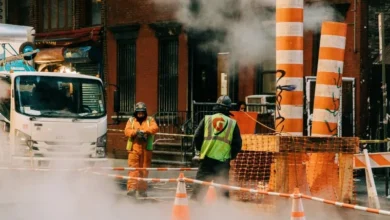
Trump Administration’s Billion-Dollar Push to Expand US Gas Exports Fuels New Fracking Boom

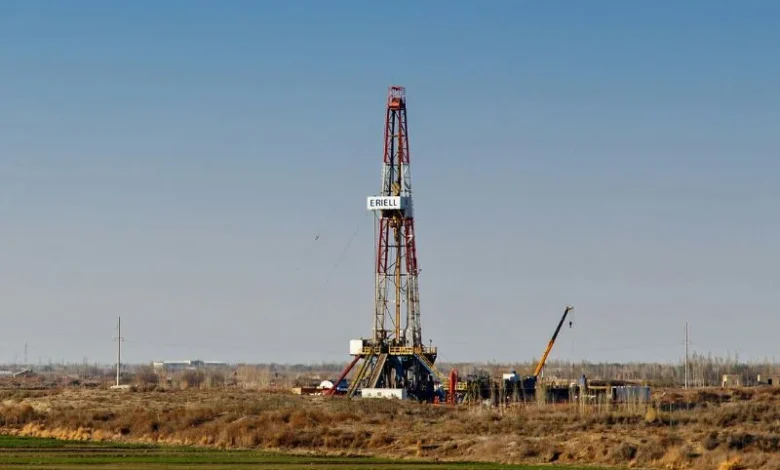
The US is already the world’s biggest gas exporter and the current administration wants to extend that lead even further. US gas export subsidies, Since July 2025, federal agencies have pledged over $4 billion to increase U.S. LNG exports, providing loan guarantees, insurance support and trade pressure to advance stalled projects even when private investors were unwilling to risk their own funds.
Why Government Is Getting Involved
Building a gas export terminal isn’t cheap. The costs can easily run into billions and banks want solid guarantees before they give up that kind of money. That’s where federal agencies come in. The Export-Import Bank and the US International Development Finance Corporation have financed deals worth billions for petrol buyers in Egypt, Turkey and the Bahamas. Because of these guarantees, lenders feel more secure and it is easier for gas companies to get the money they need to build.
How this relates to fracking
More export terminals means more demand for gas, and most of that comes from fracking, a drilling method used to pull fuel from underground rock formations. Energy analysts now say that exports are the biggest single driver of new drilling activity in the US. Production is expected to keep rising for decades, as more terminals come online.
Implications Beyond US Borders
This change has real, everyday consequences for readers outside of America:
• Electricity rates could increase in areas where gas destined for local power plants is diverted to export markets.
• Pollution remains concentrated near drilling sites and coastal terminals, primarily along the US Gulf Coast, where residents live with the fallout.
• There are leaks of methane in the drilling and transport. Terminals burn part of the fuel just to cool it into liquid form—and it all adds up.
• Some countries are locked into long-term dependency, locking in gas contracts rather than transitioning to renewable power.
Questions to Ask
As a citizen, a business owner, a government official, or a person who watches energy policy, there are a few things to keep in mind:
• Look at whether new gas import contracts fix prices for decades.
• Ask if a gas contract is quietly crowding out funding for solar or wind projects.
• Look up local air quality reports around any new drilling or export site.
• Look at how subsidies from wealthier countries affect the energy pathways of smaller countries.
The Bottom Line – US gas export subsidies
This isn’t just an American domestic story. Gas subsidies set in Washington ripple far beyond US shores, influencing electricity prices, air quality and climate goals in nations far from American coasts. Communities looking at new gas contracts should ask themselves whether they want to trade away short-term energy security for longer-term dependence on fossil fuels.
Explore More: Discover the Ideas and Innovations Shaping Tomorrow
Which Technologies Will Transform Industries Next?
Discover the breakthrough technologies that could reshape traditional industries and the future of work.
Why Are Wetlands So Important Globally?
Explore the world’s most important wetlands and learn why they are vital for nature and humanity.
Can Innovation Improve Renewable Energy Reliability?
Check out the latest innovations making renewable energy cleaner, smarter, and more dependable.
Which Countries Lead Green Living?
Discover the 2026 ranking of the world’s greenest countries and their sustainability achievements.
How Are Cities Fighting Climate Change?
Explore the cities investing in climate-resilient infrastructure to prepare for a changing future.