Rainwater Harvesting at Home: A Beginner’s Guide to Saving Water and Cutting Bills

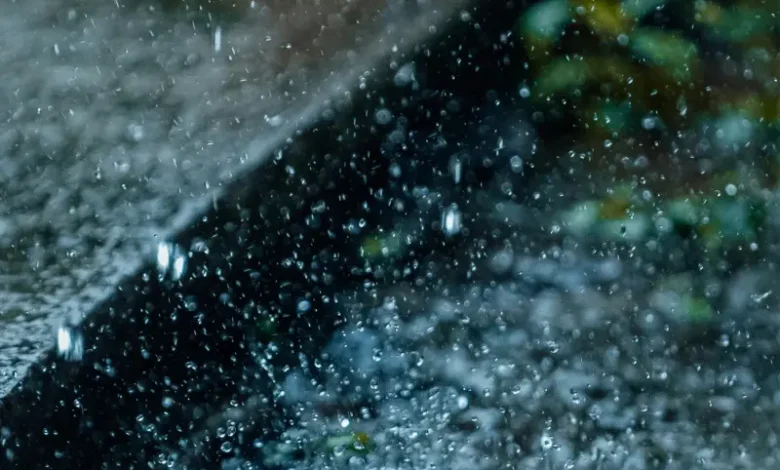
Let’s start with my home example on rainwater harvesting at home. My uncle never threw away a bucket. When the monsoon arrived, he set them all along the edge of his roof, and by August his tomato plants were the pride of the street. He was doing rainwater harvesting before the term was popular. You catch the rain that lands on your roof, keep it somewhere safe, and use it when the weather turns dry. It is also a cheap way of saving water at home, whether you rent a flat or own a farmhouse.
How a Simple Rainwater Harvesting At Home System Is Put Together
Picture your roof as a giant plate. Rain falls on it, slides into the gutter and runs down a pipe. Place a mesh filter at the bottom of that pipe, set a covered barrel underneath, and the basic job is done.
Roof size matters more than most people expect. On a 100 square metre roof, a year with 1,000 millimetres of rainfall can deliver close to 80,000 litres. That is a generous supply for plants, floors and even toilets.
Begin with a single 200 litre barrel. It costs little, and after two or three storms you will know what your roof really gives. Large tanks often sit half empty. If your budget allows, add a first flush diverter, a small fitting that throws away the dusty water from the opening minutes of a shower. Even a modest rainwater harvesting system performs better with one.
Keeping Water Safe and Checking Your Local Rules
Roof water suits the garden and the mop bucket. Drinking it is different, because it needs proper filtering and then boiling or UV treatment. If you are unsure, leave it out of the kitchen.
Upkeep takes only minutes. Clear the gutters before the wet season, check the filter every month, and keep a tight lid on the tank so mosquitoes cannot breed.
Rules differ from place to place. Several Indian cities ask for harvesting in larger new buildings, Germany has offered rebates, and most US states allow it. Call your local water office before you build, since some areas even reward saving water at home.
After a shower, find the busiest downpipe, fit a covered barrel, and note the litres you catch.
You May Like It
Is Antarctic ice disappearing?
Find out why it matters beyond the poles.
Are Himalayan glaciers melting?
See what it means for South Asia’s rivers.
Are coral reefs on the brink?
See what mass bleaching means for the ocean.
Can solar panels float on water?
Discover how floating solar could add clean power.
How can you recycle electronics safely?
Follow this simple checklist for old gadgets.