Panama Canal Traffic Cut Again as El Niño Drought Deepens: What Global Trade Should Expect

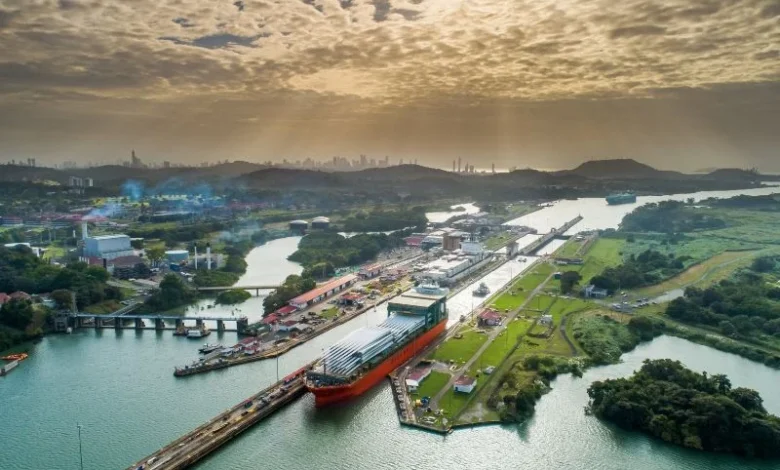
Ships are backing up at one of the world’s most important trade routes again. The Panama Canal has started cutting daily crossings once more, and the culprit is familiar: a worsening El Niño drought that’s draining the lakes the canal depends on. Panama Canal drought, It’s only been a couple of years since the last crisis like this hit global shipping, and now it’s happening again.
Why the Canal Keeps Running Out of Water
Here’s something a lot of people don’t realise: the Panama Canal doesn’t use seawater to move ships through its locks. It uses fresh water, pulled from two man-made lakes, Gatun and Alajuela, and that water has to come from rain. Each single ship crossing burns through roughly 200 million litres just moving through the locks. No rain, no water. No water, fewer ships.
And the rain simply didn’t show up this year. Between May and August, rainfall across the canal’s watershed came in around a third below normal levels. Scientists are pointing to one of the strongest El Niño events on record as the reason, and it’s still gaining strength.
Just How Bad Are the Cuts?
The numbers tell the story on their own. The Panama Canal Authority has been trimming capacity in stages:
- 36 ships a day at the start of the year
- Down to 34 starting September 4
- Down again to 32 from September 15
- A parliamentary budget draft now proposes an average of just 29.5 crossings a day from October onward
Officials are quick to point out this still isn’t as bad as the 2023–2024 drought, when daily crossings fell to just 22 and cost the canal upward of half a billion dollars. Still, the direction things are heading isn’t encouraging.
Why You Should Care, Even If You’ve Never Seen a Cargo Ship
Around 5 percent of all global maritime trade passes through this canal. For the US alone, it’s nearly 40 percent of container traffic. When fewer ships get through each day, the ripple effects are predictable:
- Cargo vessels wait longer to cross
- Freight costs climb, and companies pass that along to customers
- Everyday imports, from phones to clothing to food, arrive later
- Fuel and LNG shipments face added pressure
None of that stays confined to Panama. It eventually shows up as a slightly higher price tag on things people buy in Berlin, Lagos, or Sydney.
What Shippers and Businesses Can Actually Do
- Keep an eye on official transit updates instead of relying on rumours
- Book cargo space earlier, especially heading into dry months
- Look at alternative routes, including combined rail and sea options
- Add extra time buffers into delivery promises
- Watch freight rates closely, since congestion tends to push them up fast
The Water Problem Nobody’s Talking About
There’s a quieter issue underneath all this. The same reservoirs feeding the canal also provide drinking water to nearly half of Panama’s population. That means every decision about ship traffic is really a decision about who gets water first. A proposed long-term solution, the Río Indio reservoir project, could help, but it’s still years away from being finished, so the canal remains exposed every time El Niño returns.
Conclusion – Panama Canal drought
What’s happening in Panama right now is a clear signal that global trade is still tied to something as basic as rainfall. As this El Niño event continues to strengthen, businesses and everyday buyers around the world should brace for slower shipments and rising costs in the months ahead, and plan around that reality now rather than scrambling later.
More stories on extreme weather.
Why Is Bangladesh Facing Flood Risks?
Find the latest climate insights.
What’s Driving India’s Weather Split?
Check out the extreme weather patterns.
Is Sonamarg Travel Safe Today?
Get to know the latest advisory.
How Severe Are China’s Floods?
Browse the latest emergency updates.
Why Is Northeast India Flooding?
Uncover the unusual jet stream effects.