Orionid Meteor Shower 2026: When and How to Watch Halley’s Comet Debris Streak Across the Sky This Week

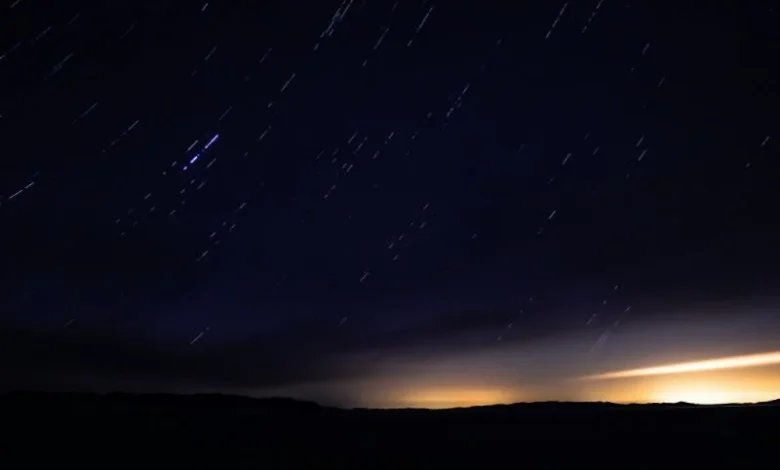
Every October, the night sky puts on one of its most dependable shows. The Orionid meteor shower is already active and builds toward its peak this week, giving viewers from Mumbai to Manchester to Melbourne a shot at seeing fast streaks of light overhead. Unlike many astronomical events, this one needs no special gear, just a clear patch of sky and a bit of patience.
What Exactly Is the Orionid Meteor Shower?
Each year, Earth passes through a trail of dust and small rock fragments left behind by the Orionid meteor shower’s parent comet, better known as Halley’s Comet. This famous comet only swings close to Earth once every 75 to 76 years, so most people alive today will never see it directly. The Orionids are the next best thing, a yearly echo of its path, and the same debris trail also produces the Eta Aquariid shower each spring.
The meteors seem to shoot out from near the constellation Orion, which is where the shower gets its name, although the actual streaks can appear almost anywhere overhead.
When Is the Peak This Week?
The shower runs from early October through early November, but the strongest night falls on October 21 to 22, 2026. The hours just before dawn, once the moon has dipped below the horizon, usually offer the clearest and darkest window. A fairly bright moon this year will wash out some of the fainter meteors, so sticking it out a little longer than usual pays off, according to NASA’s October skywatching guide.
How to Watch the Orionids, Wherever You Live
A telescope or binoculars will not help here. They actually narrow your view and make meteors harder to catch. What genuinely helps is this:
- Head somewhere away from streetlights and city glow. Even half an hour outside a city centre can roughly double the number of meteors you spot.
- Give your eyes fifteen to twenty minutes to adjust to the darkness, and resist the urge to check your phone during that stretch.
- Lie back or use a reclining chair so you can take in a wide stretch of sky without straining your neck.
- Plan to watch after midnight, with the best chances arriving just before sunrise.
- Dress warmly and bring something to sit or lie on. Meteor watching is mostly waiting, so comfort matters more than people expect.
This advice works whether you live in a crowded city with little open space, a quiet rural town, or anywhere with a reasonably dark corner nearby, a rooftop, a local park, or a stretch of beach.
A Global Event With Local Variations
Because the shower is visible from both hemispheres, the experience shifts slightly depending on where you are standing. Viewers closer to the equator and across the Southern Hemisphere often get a somewhat better angle on the radiant point, as noted by the Royal Museums Greenwich. Checking a local weather app or a nearby astronomy club for cloud cover and moonrise times before heading out is always worth the five minutes it takes.
Conclusion
The Orionid meteor shower is proof that some of the best natural spectacles cost nothing and ask for very little in return, just a dark sky, a free night, and a bit of patience. Whether you end up counting five meteors or twenty, stepping outside this week to look up is worth the effort.
Track the latest climate changes.
Is Your Seafood Becoming Riskier?
Find how El Niño affects ocean pollution.
Why Are Heatwaves Getting Worse?
Check out the link between monsoons and El Niño.
What Happens During Super El Niño?
See the major weather changes ahead.
Could Food Prices Rise Soon?
Uncover how climate affects grocery costs.
How Will Weather Patterns Change?
Get to know this summer’s biggest climate shifts.