Rare Brazilian Primate Gets Life-Saving Shot: Black-Faced Lion Tamarins Join Yellow Fever Vaccine Trial

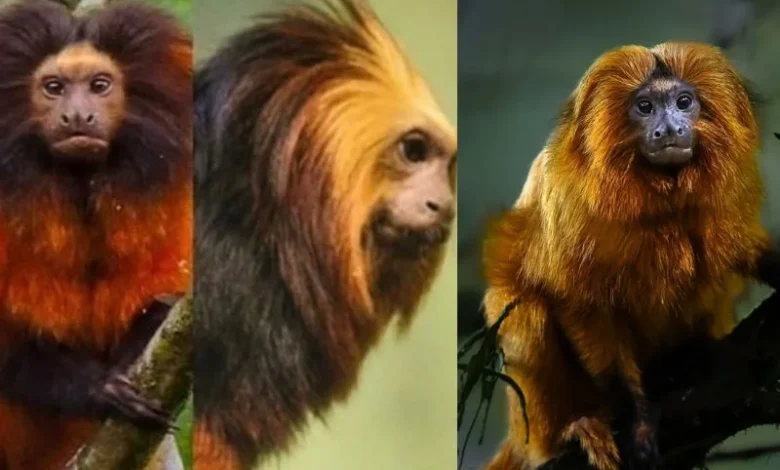
For the first time, researchers in Brazil have vaccinated wild black-faced lion tamarins against yellow fever, a disease that has already devastated other primate populations nearby. In July 2026, a small team captured three tamarins deep in a coastal forest in Paraná state and gave them doses never before given to this species. With fewer than 400 individuals left in the wild and not a single one living in captivity anywhere, this quiet moment in the forest could matter a great deal for the animal’s survival.
Why This Species Needed Help
The black-faced lion tamarin, also known locally as the caissara lion tamarin, survives only along a thin coastal strip shared by São Paulo and Paraná states. It belongs to a group of four lion tamarin species found in Brazil’s Atlantic Forest, and it is both the rarest and the least understood of them all.
Unlike its relatives, this tamarin has no backup population held safely in a zoo or breeding centre. If disease sweeps through its small wild group, there would be nothing left to rebuild from. Yellow fever has already killed off howler monkeys on nearby Superagui Island, a clear warning of what could happen to the tamarins too.
How the Vaccination Mission Worked
The effort was led by the Society for Wildlife Research and Environmental Education, a Brazilian conservation group known as SPVS, after years of planning with health and research institutions. The team raced against two strict deadlines during the procedure.
- The anaesthesia used to safely handle each tamarin lasted only around 50 minutes.
- The vaccine, adapted from the human yellow fever shot, stayed effective for just three hours once mixed.
Inside that short window, the team weighed each animal, gathered blood and hair samples, fitted tracking collars and gave the vaccine before releasing the tamarins back into the trees.
A Model for Community-Led Conservation
What sets this project apart is its focus on people as much as animals. A local biologist, raised on Superagui Island herself, runs workshops with schools and residents to build pride around the tamarin as part of the community’s shared identity.
Local leaders believe that protecting the species can also support eco-tourism, boat trips and craft businesses on the island. It shows that conservation and everyday livelihoods do not have to compete with each other.
What Comes Next
Scientists are now waiting on blood test results to confirm the vaccine worked properly. If the results are positive, the team plans to expand vaccination to more tamarin groups across both states. In the longer run, researchers hope to build the species’ first ever captive insurance population, something its relatives already have but it still lacks.
Quick facts to remember:
- Three tamarins vaccinated in July 2026, a world first for the species
- Wild population estimated at under 400 individuals
- No captive population exists anywhere in the world
Conclusion
This vaccination drive is a small step, but it carries real weight. Saving a species this rare takes patience, careful science and genuine trust between researchers and the community living alongside it. As results come in and the program grows, this tiny primate may finally stand a real chance at survival.
Wildlife stories worth watching closely.
Which Countries Face Wildlife Loss?
Check out global hotspots where endangered species need urgent protection.
What Makes This Monkey So Rare?
Find out about the newly discovered orange-lipped monkey in Congo.
Why Are Andaman Species Disappearing?
Uncover why these unique species need immediate conservation efforts.
Can AI Help Save Wildlife?
See how AI is transforming endangered wildlife monitoring.
Which Species Are Near Extinction?
Look into wildlife facing the highest risks of disappearing.