Vantara–Brazil Wildlife Deal: Inside the Talks on Threatened Species Conservation

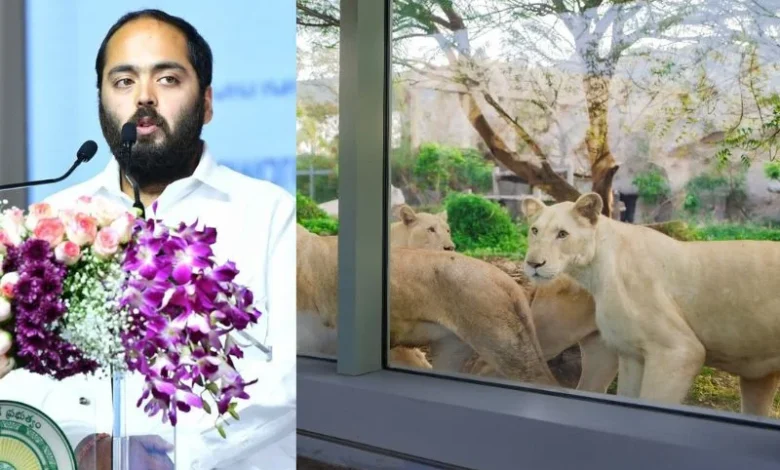
A quiet diplomatic conversation between India and Brazil, Vantara Brazil wildlife deal, has come to light, and it centres on some of the planet’s rarest animals. Records obtained through Brazil’s Freedom of Information Act show that Vantara, the private zoo built by billionaire Anant Ambani in Gujarat, approached Brazilian officials to discuss cooperation on threatened species conservation. The zoo sits on land owned by the philanthropic wing of Reliance Industries, one of Asia’s largest conglomerates, which is part of why this story has drawn global attention well beyond conservation circles.
What the Documents Actually Show
The letters, sent in August 2025, were addressed to senior officials at ICMBio, Brazil’s biodiversity protection agency. Vantara described itself as capable of helping with species needing urgent captive support and invited Brazilian officials to visit its massive facility in Jamnagar. The proposal did not name specific animals at first, but talks soon narrowed to one bird in particular, the Spix’s macaw, a parrot found only in Brazil and extinct in its natural habitat since 2019.
Why the Spix’s Macaw Matters So Much
Brazil has spent decades trying to bring this bird back to the wild through a dedicated population management program that tracks every bird’s health, breeding and movement. A batch of macaws was released in the Caatinga region in 2022, only to be recaptured after a serious virus outbreak. So when 26 macaws were sent to Vantara in 2023 without Brazil’s approval, it strained trust badly. Brazil later ended its agreement with the German group responsible for that transfer. Any new partnership involving these birds is therefore being watched closely by scientists and officials alike.
Trust Issues and Unanswered Questions
Vantara has faced repeated allegations connected to wildlife trafficking, including scrutiny from the international treaty body CITES, which flagged mismatched trade data over imports of chimpanzees, snow leopards and other animals. In September 2025, an inquiry ordered by India’s top court found no irregularities, though critics say the broader concerns remain unresolved. A planned visit by Brazilian officials to the Indian zoo was later cancelled without explanation, and around the same time, police in Brazil seized devices from a bird expert linked to a separate trafficking probe tied to Vantara. None of this proves wrongdoing in the current talks, but it explains why conservation groups keep asking for complete openness before any deal moves forward.
What Readers Should Know
- No formal agreement between Vantara and Brazil has been signed yet.
- Brazil’s government says any eventual deal would be government to government, not private.
- Independent experts say Brazil already has the scientific skill to manage its own species recovery.
- Groups like Freeland Brasil are urging caution so funding does not become a cover for further animal transfers.
Conclusion – Vantara Brazil wildlife deal
This story is really about a bigger question facing conservation worldwide: should wealthy private zoos play a role in saving endangered species, or should that responsibility stay firmly with national governments and scientists working in the animal’s home country? Until Brazil and Vantara clarify their plans publicly, the safest approach for anyone following this story is to watch for official confirmation rather than assume a partnership is already settled. Transparency, not promises, will decide whether this cooperation truly helps Brazil’s threatened wildlife.
Wildlife stories worth watching closely.
Which Countries Face Wildlife Loss?
Check out global hotspots where endangered species need urgent protection.
What Makes This Monkey So Rare?
Find out about the newly discovered orange-lipped monkey in Congo.
Why Are Andaman Species Disappearing?
Uncover why these unique species need immediate conservation efforts.
Can AI Help Save Wildlife?
See how AI is transforming endangered wildlife monitoring.
Which Species Are Near Extinction?
Look into wildlife facing the highest risks of disappearing.