Kerala Launches New Drive to Control Giant African Snail Invasion After Heavy Rains

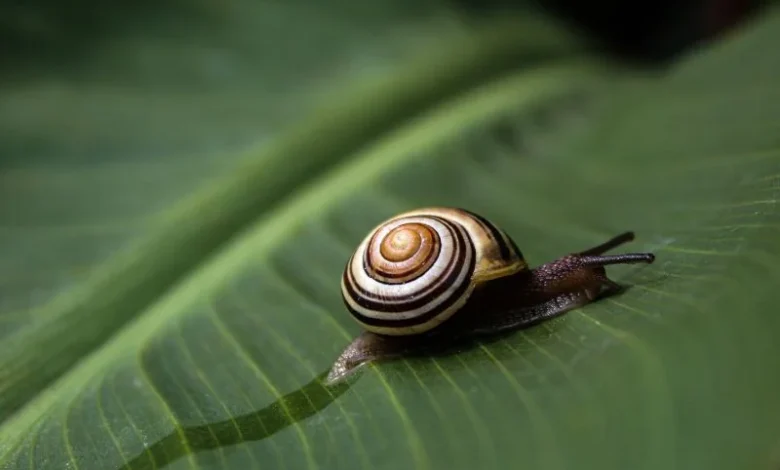
Kerala is once again dealing with an old enemy that loves wet weather. The giant African snail, a slow mover but a fast breeder, has turned up in large numbers across several districts this season. After an unusually heavy monsoon spell, the Kerala Agricultural University (KAU) has stepped up its response, working to bring the infestation under control before it spreads to more farmland, more homes, and more schools.
Why the Giant African Snail Is Back in Kerala
A stretch of heavy rain followed by sudden dry, sunny days gave this pest exactly what it needed. Damp soil and warm, humid air let it multiply at a speed most people don’t expect from a snail. Reports have now come in from Idukki, Thrissur, Kannur, Malappuram, and Kottayam. This is not the harmless garden variety most people grew up with. It grows to a good size, feeds on almost any green plant it finds, and has even been known to chew into soft, old plaster on compound walls.
The Real Risk to Farmers and Families
This is not just a farming headache. The snail can carry a parasite linked to meningitis in children, and cases have shown up near school compounds, which is worrying for parents. For small farmers who count on banana, vegetable, and tuber crops for their monthly income, one bad infestation can undo weeks of hard work in a single night. It’s this mix of a health scare and a livelihood risk that has pushed KAU to act quickly instead of waiting to see how far it spreads.
What the New Project Involves
Rather than running one big top-down operation, the plan spreads the work across several hands. It brings together:
- Local self-government bodies, who are organising cleanup drives ward by ward
- Krishi Vigyan Kendras and agricultural officers, guiding farmers on safe ways to manage the pest
- School authorities, checking campuses more often during and right after rain
- Everyday residents, who are being asked to flag sightings early instead of brushing them off
A Simple Checklist for Residents and Farmers
- Walk around garden beds and compound walls each morning while the weather stays humid
- Pick up snails with gloves on and drop them into salted water, never handle them bare-handed
- Clear away rotting leaves and standing water near the house, since both attract the pest
- Tell the local panchayat or the nearest Krishi Bhavan if you spot a large cluster
- Skip random pesticides bought off the shelf; ask for proper guidance first, since the wrong chemical can hurt the soil more than the snail
Conclusion
The giant African snail problem in Kerala shows how a slow-moving creature can still cause fast, real damage once the weather turns in its favour. With KAU now pulling together farmers, local officials, schools, and ordinary residents, the state has a genuine shot at controlling this before the next heavy rain arrives. Anyone in an affected district would do well to start checking their own compound today, since a handful of snails now can turn into a full-blown outbreak within a matter of weeks.
More stories on extreme weather.
Why Is Bangladesh Facing Flood Risks?
Find the latest climate insights.
What’s Driving India’s Weather Split?
Check out the extreme weather patterns.
Is Sonamarg Travel Safe Today?
Get to know the latest advisory.
How Severe Are China’s Floods?
Browse the latest emergency updates.
Why Is Northeast India Flooding?
Uncover the unusual jet stream effects.