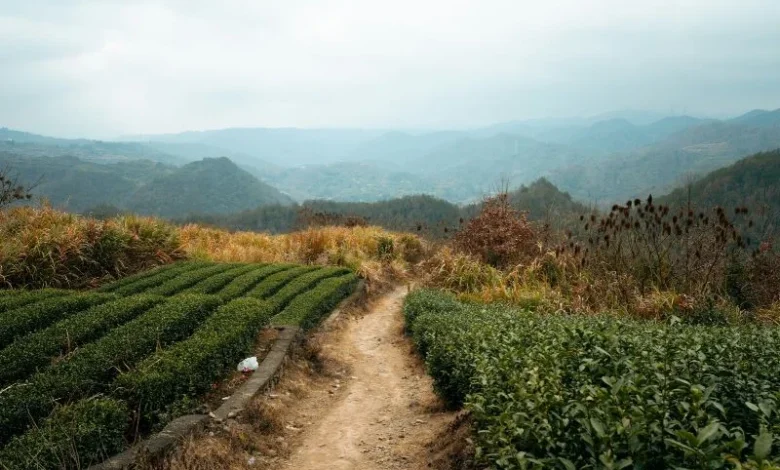
Tea production in the northeastern region of India is deteriorating. India tea climate change, The amount of tea production in Darjeeling has decreased by 61% between 1990 and 2025, from 14.49 million kg to 5.6 million kg.
What Causes The Damage?
- Heat: As stated by the Tocklai research institute, the average temperature becoming greater than 26.6 degrees Celsius leads to shrinkage in the amount of tea produced.
- Rain: monsoon rains have caused drainage issues, while prolonged dry conditions have lowered water levels in the soil. The tea estates in Assam have encountered a problem with excess water.
- Pests: Unfavorable climatic conditions and multiplying pests are pushing up prices and closing many estates.
- Darjeeling findings: Studies conducted from 1991 to 2023 revealed that rising temperatures harmed tea production despite changes in rainfall being reported.
Is Climate Change The Only Aspect?
No. Next to the climatic impediments being experienced by East Indians, imports of tea from Nepal are higher than what is being produced in Darjeeling.
In June 2025, tea production in India dropped by 9% yearly, according to the Indian Tea Association caused by heat, lack of rain, and pests.
What Is Expected For The Future? – india tea climate change
A 2024 FAO report warns that tea-growing areas in India could shrink by up to 40 percent by 2050 without adaptation. Planters want heat-tolerant, climate-resilient clones and state support.
Read more Climate and Natural Changes:
Is Food Security at Risk?
See how climate change threatens the food supply.
How Do Communities Fight Drought?
Meet the volunteers in Hungary building their own dams.
Is Extreme Heat a Health Crisis?
See why heat is now a health crisis.
Is Kerala’s Hill District Warming?
See why Wayanad is losing its chill.
Is healthy soil running out?
See why soil degradation threatens food supplies.