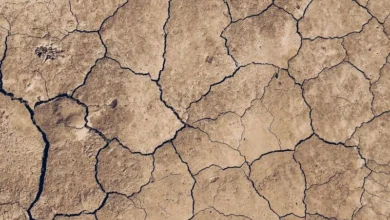
Heatwave Warning 2026: How Much Water Should You Actually Drink During a 45°C Day?
Facing a 45°C heatwave? Learn how much water you should drink, signs of dehydration, electrolyte tips, and ways to stay safe in extreme heat.

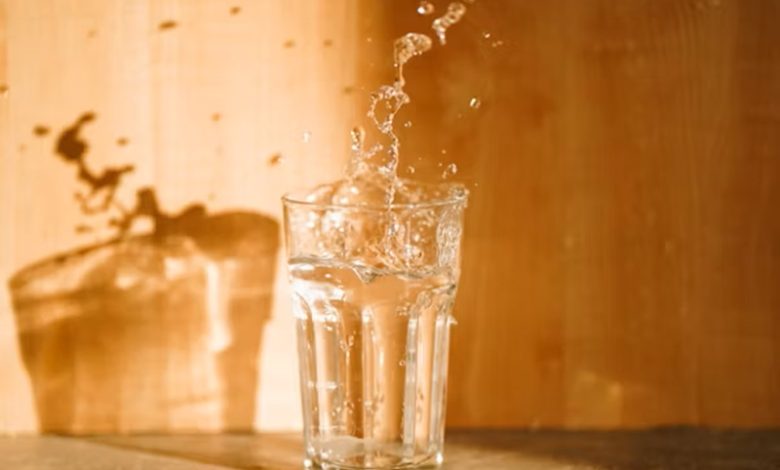
As temperatures climb toward 45°C in several parts of India, staying hydrated is becoming a serious health priority. During extreme heat, the body loses large amounts of fluid through sweat, increasing the risk of dehydration, heat exhaustion, and heatstroke.
One of the most common questions people ask during a heatwave is: How much water should you actually drink?
There Is No Single Magic Number
Hydration needs vary from person to person. Factors such as age, body weight, activity level, health conditions, and time spent outdoors all influence how much water the body requires.
Someone working outdoors in direct sunlight will generally need significantly more fluids than a person staying indoors in an air-conditioned environment.
Don’t Wait Until You’re Thirsty
Many people use thirst as a signal to drink water, but experts warn that mild dehydration may already have started by the time thirst appears.
Instead, try to:
- Sip water regularly throughout the day
- Increase fluid intake during outdoor activity
- Drink before feeling thirsty
- Carry a water bottle when travelling
Consistent hydration is usually more effective than drinking large amounts at once.
Watch for Signs of Dehydration
Early symptoms may include:
- Dry mouth
- Headache
- Dizziness
- Fatigue
- Muscle cramps
- Dark-coloured urine
Ignoring these warning signs can increase the risk of heat-related illness.
Water Isn’t the Only Solution
Heavy sweating also causes the body to lose electrolytes such as sodium and potassium.
Helpful hydration options include:
- Coconut water
- Buttermilk
- Lemon water
- ORS solutions
- Water-rich fruits such as watermelon and cucumber
These can help replace minerals lost through sweating.
Who Needs Extra Caution?
The following groups are especially vulnerable during 45°C heat:
- Children
- Elderly individuals
- Outdoor workers
- Athletes
- People with chronic medical conditions
They may need more frequent hydration and closer monitoring.
Final Words
During a 45°C heatwave, staying hydrated is one of the most effective ways to protect your health. Rather than focusing on a fixed number of glasses, pay attention to your activity level, fluid loss, and hydration status throughout the day. Regular water intake, electrolyte replacement, and avoiding prolonged heat exposure can significantly reduce the risk of dehydration and heat-related illness.
Read This Next
1. Need A Heatwave Survival Plan?
Explore the essential foods, drinks, and habits that can help you stay safe during extreme temperatures.
2. Living In A Hotter Top Floor?
Discover why upper-floor apartments heat up faster and check practical ways to keep them cooler.
3. Ready For New Solar Rules?
Check the latest solar panel regulations, price changes, and approved options under India’s new mandate.
4. Struggling To Cool Indoor Spaces?
Explore affordable cooling hacks that can make suffocating rooms more comfortable during heatwaves.
5. Can Your EV Earn Money?
Discover how vehicle-to-grid technology lets electric vehicle owners power homes and earn from the grid.
FAQs
How much water should I drink during a heatwave?
Fluid needs vary, but most people need to increase water intake during extreme heat.
Is thirst a reliable guide?
Not always. Dehydration can begin before you feel thirsty.
Are electrolyte drinks useful?
Yes, especially if you are sweating heavily or spending time outdoors.
Which foods help with hydration?
Watermelon, cucumber, oranges, and other water-rich fruits are excellent choices.
Who is most at risk of dehydration?
Children, elderly individuals, outdoor workers, and people with health conditions face higher risks during extreme heat.