Why Your Rooftop Solar Generation Drops in Extreme Heat – How to Prevent Inverter Thermal Overheating This Week
Extreme heat can reduce rooftop solar output and overheat inverters. Learn why solar performance drops and how to prevent thermal derating.

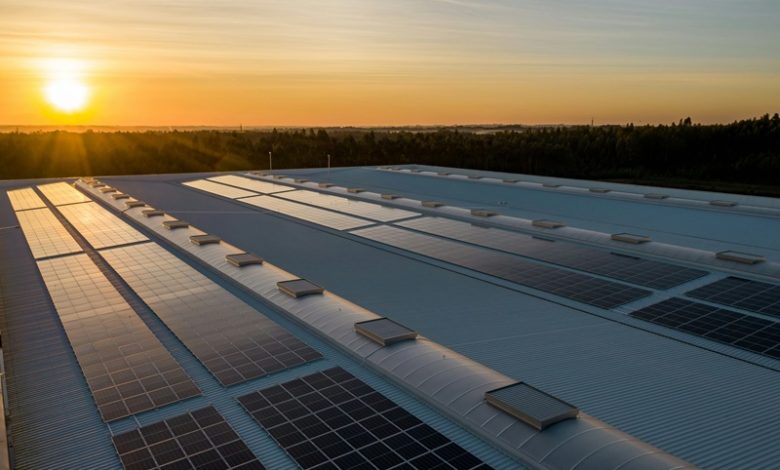
You may be experiencing lower output from your rooftop solar setup due to the recent heat. Many people expect more sun to generate more solar production, but the extreme heat can actually create less output from the solar panels and inverters.
When temperatures exceed 40 degrees Celsius, solar throughout India will typically have performance losses, especially during the hottest daylight hours.
Why Solar Output Falls During Heatwaves
Some of the major impacts created by extreme heat are:
- Lower voltage output
- Reduced energy conversion efficiency
- Increased electrical resistance
- Lower overall production of electricity
How to Prevent Inverter Overheating
Increase Airflow
Make certain that sufficient airflow can flow around your inverter (do NOT install inverter within small or poorly ventilated areas).
Keep out of direct sunlight
As much as possible, you should install your inverter in a shaded area, such as under a certain type of roof, in a garage, or on the back side of the house.
Keep Clean
If your inverter has accumulated dust it can block these air cooling vents leading to a reduction in thermal dissipation.
Monitor Your Solar System
Utilize your monitoring app for solar to monitor and verify periods of unusual production reductions and to see if you receive alerts about any temperatures.
Read This Next
1. Need A Heatwave Survival Plan?
Explore the essential foods, drinks, and habits that can help you stay safe during extreme temperatures.
2. Living In A Hotter Top Floor?
Discover why upper-floor apartments heat up faster and check practical ways to keep them cooler.
3. Ready For New Solar Rules?
Check the latest solar panel regulations, price changes, and approved options under India’s new mandate.
4. Struggling To Cool Indoor Spaces?
Explore affordable cooling hacks that can make suffocating rooms more comfortable during heatwaves.
5. Can Your EV Earn Money?
Discover how vehicle-to-grid technology lets electric vehicle owners power homes and earn from the grid.
Final Words
Even with bright sunshine, it is often true that extreme high heat can cause damage and reduce solar generation. The result will be a loss of some amount of efficiency; but maintaining proper ventilation for inverters, shading and maintenance will allow for minimal thermal overheating, which will allow the rooftop solar system to continue to operate as close to its maximum capacity throughout the summer months.
FAQs
What happens to solar panels in hot weather?
A temperature rise will cause a decrease in the efficiency of solar cells, resulting in an increase in the electrical resistance of the solar cells.
What does the inverter’s thermal derating mean?
Inverters are designed with a thermal derating feature to prevent an over-temperature condition from occurring when the ambient temperature rises.
Will a poorly shaded inverter become too hot due to direct sunlight?
In certain circumstances, the shade of the inverter could potentially lead to an accumulation of heat beyond safe operating temperatures.
How can I improve my inverter’s ability to cool?
By ensuring good airflow, keeping the vents clear and ensuring the installation of the inverter is in an area that has shade.