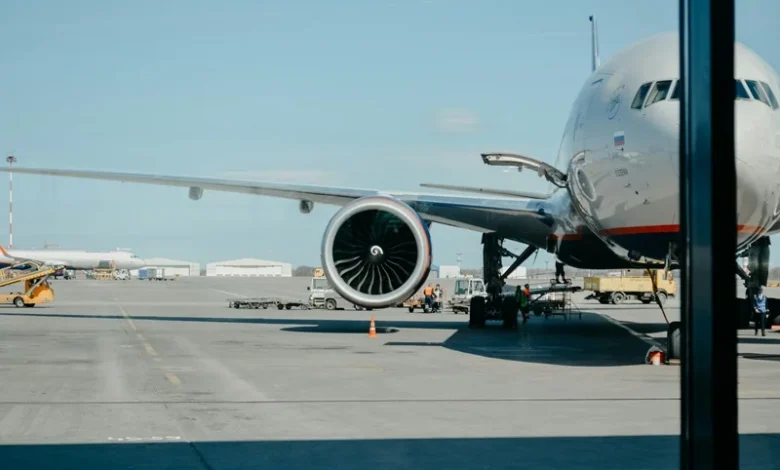
Airlines are investing in new, fuel-efficient aircraft as they look to reduce costs and lower their environmental impact. Since fuel is one of the largest operating expenses for airlines, even small improvements in efficiency can lead to significant savings over time. Modern aircraft also help airlines meet stricter environmental regulations and growing passenger demand for more sustainable travel.
Why Are Airlines Choosing Fuel-Efficient Aircraft?
1. Lower Fuel Costs
Fuel accounts for a large share of an airline’s operating expenses. New aircraft consume less fuel, helping airlines save money on every flight.
2. Reduced Carbon Emissions
Using less fuel means producing fewer carbon emissions. This helps airlines work toward sustainability goals and comply with environmental regulations.
3. Lower Maintenance Costs
Modern aircraft are built with advanced materials and technology, making them more reliable and reducing maintenance needs.
4. Better Passenger Comfort
New planes often feature quieter cabins, improved air quality, larger overhead storage, and better seating designs, enhancing the travel experience.
5. Longer Flight Range
Fuel-efficient aircraft can travel longer distances without refueling, allowing airlines to introduce new nonstop routes.
How Much Do Airlines Save?
Compared to older aircraft, modern models such as the Airbus A320neo, Airbus A350, Boeing 737 MAX, and Boeing 787 Dreamliner typically use 15% to 25% less fuel.
These savings can translate into millions of dollars over the lifetime of an aircraft, especially for airlines operating large fleets with frequent flights.
More sustainability stories to explore.
Why Is Aviation Fuel Going Green?
Find how cleaner fuel cuts emissions.
Why Are Goa Trips Cheaper?
Check out what lowered travel costs.
Can You Spot Fake Eco Claims?
Uncover misleading environmental marketing.
How Did Plastic Help Airlines?
See how waste became a valuable resource.
How Do Daily Trips Matter?
Explore how travel choices affect climate.
Conclusion
Fuel-efficient aircraft are becoming an important part of the aviation industry’s future. By reducing fuel consumption, cutting emissions, and lowering operating costs, they help airlines become more efficient while offering a better travel experience for passengers. Despite the high upfront investment, the long-term financial and environmental benefits make these aircraft a smart choice.
FAQs
Why are airlines replacing older planes?
To reduce fuel costs, lower emissions, and improve operational efficiency.
How much fuel can modern aircraft save?
Most new-generation aircraft use around 15% to 25% less fuel than older models.
Which aircraft are considered fuel-efficient?
Popular examples include the Airbus A320neo, Airbus A350, Boeing 737 MAX, and Boeing 787 Dreamliner.
Do fuel-efficient aircraft reduce ticket prices?
They can lower airline operating costs, but ticket prices also depend on fuel costs, demand, competition, and other business factors.