

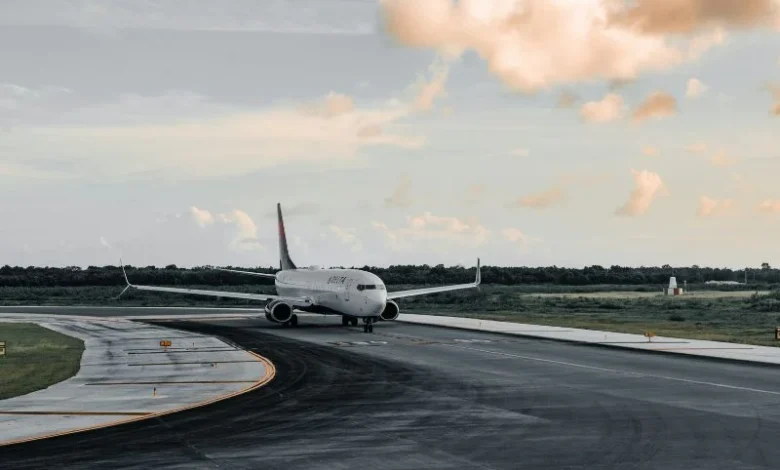
Extreme heat is becoming a growing challenge for the aviation industry. When runway temperatures soar far above air temperatures, the resulting drop in air density can reduce aircraft performance, requiring longer takeoff distances and, in some cases, forcing airlines to limit passenger loads, cargo, or flight schedules. Aviation experts refer to this as the “hot and high” effect.
Here are nine major airlines that have either adjusted operations during extreme heat events or operate in regions where high-temperature restrictions increasingly affect flights.
1.American Airlines
American Airlines has previously faced operational challenges at extremely hot airports in the U.S. Southwest, where high temperatures can affect aircraft weight limits and takeoff performance.
2.United Airlines
United operates extensively from hot-weather destinations such as Phoenix and Las Vegas, where extreme temperatures occasionally require operational adjustments.
3.Southwest Airlines
As a major operator in the southern United States, Southwest routinely manages operations during periods of extreme heat.
4.Delta Air Lines
Delta has historically implemented operational planning measures during heatwaves affecting major hubs and high-temperature airports.
5.Lufthansa
European heatwaves have increasingly affected airport infrastructure and flight planning, prompting airlines such as Lufthansa to closely monitor runway conditions.
6.British Airways
Record-breaking European temperatures have required airlines to adjust scheduling and aircraft performance calculations during summer heat events.
7.Emirates
Operating from one of the world’s hottest aviation hubs in Dubai, Emirates routinely accounts for extreme runway and ambient temperatures in flight planning.
8.Qatar Airways
Doha’s summer temperatures frequently exceed 45°C, making heat-related operational planning an important consideration.
9.Air India
With many Indian cities experiencing severe summer heatwaves, Air India and other Indian carriers increasingly factor extreme temperatures into operational planning.
Why Heat Affects Aircraft
When temperatures rise:
- Air becomes less dense
- Engines generate less thrust
- Wings produce less lift
- Takeoff distances increase
As a result, airlines may reduce payloads, delay departures to cooler periods, or use longer runways when available.
Final Words
Extreme runway temperatures are no longer rare events. As heatwaves become more frequent across North America, Europe, the Middle East, and Asia, airlines are increasingly adapting flight operations to maintain safety and efficiency. For travelers, this may occasionally mean delays, schedule changes, or weight restrictions during periods of exceptional heat.
Explore More Trending News & Expert Guides
When Will Delhi Heat Finally Ease?
Discover the latest rain forecast, temperature drop predictions, and when relief from Delhi-NCR’s scorching heat is expected.
Which Budget Air Purifier Suits You?
Explore the best-rated affordable air purifiers, key features to compare, and top online buying options.
Are Summer Temperatures Damaging Your EV?
Check the common heat-related charging mistakes that can affect EV battery life and solar panel performance.
Can You Survive Stadium Heat Safely?
Discover essential hydration tips, sun protection measures, and safety rules for outdoor sports events.
Is Kashmir Travel Safe This Week?
Explore weather alerts, landslide-prone routes, travel risks, and emergency contacts before planning your trip.