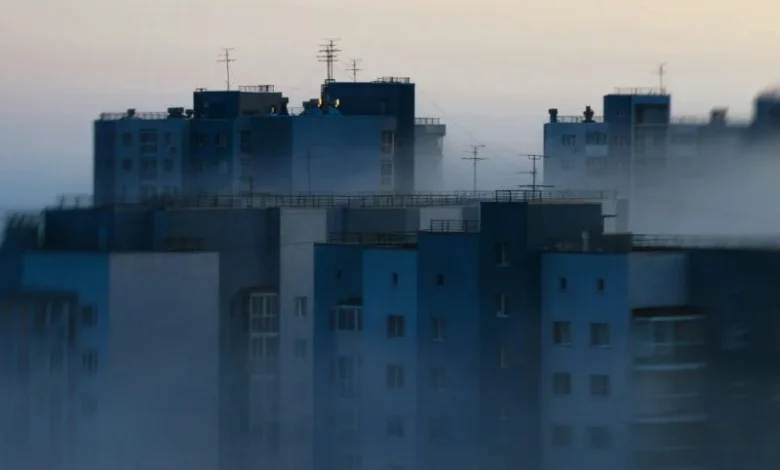
With the arrival of every October, Delhi smog season, Delhi’s air quality deteriorates dramatically. Between 2021 and 2025, the average air quality index (AQI) jumped from 100 in September to 212 in October.
What Causes Dangerous Air Quality?
- Stubble Burning-Farm fires usually increase and reach their peak from the end of October to mid-November. On one day in November, stubble burning accounted for 22.4 percent of the city’s PM2.5 emissions.
- Vehicles-Transport contributes approximately 23 percent of PM2.5 pollution in winter.
- Weather-Winter weather conditions lead to pollution accumulation.
What is AQI?
According to India’s air quality control measurement system, AQI ranges from 0 to 500: good AQI 0–50, satisfactory AQI 51–100, moderate AQI 101–200, poor AQI 201–300, very poor AQI 301–400 and severe AQI 401–500. Low air pollution level may impose health risks even to healthy individuals. PM2.5 is a pollution term used for particles that are less than 2.5 micrometers wide and are considered to be dangerous.
How to Remain Safe?
Health professionals recommend that people suffering from cardiovascular diseases avoid strenuous activities. The authorities have issued a recommendation to wear masks during pollution-related episodes. Check AQI levels before spending time outside.
What Actions Are Being Taken? – Delhi smog season
Starting from October 1, 2026, no vehicle will be permitted to use fuel unless it has valid pollution certificates. Through the winter months, construction will also be restricted.
Track the latest climate changes.
Is Your Seafood Becoming Riskier?
Find how El Niño affects ocean pollution.
Why Are Heatwaves Getting Worse?
Check out the link between monsoons and El Niño.
What Happens During Super El Niño?
See the major weather changes ahead.
Could Food Prices Rise Soon?
Uncover how climate affects grocery costs.
How Will Weather Patterns Change?
Get to know this summer’s biggest climate shifts.