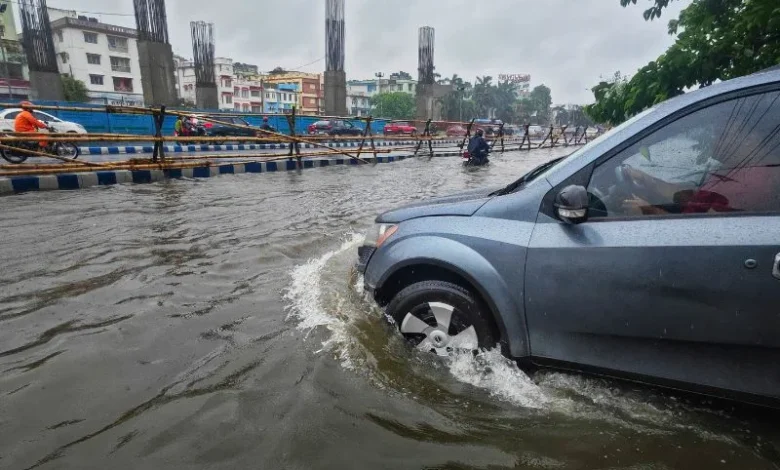
Hard surfaces do not absorb rainwater. Sponge cities are trying to gather every drop of rainwater. Sponge cities China, China is introducing a new method of resolving its severe flood problem.
What Is a Sponge City?
Cities full of permeable asphalt, with water-retaining elements such as canals, ponds, wetlands, rain gardens, and green roofs are preserving the rain for later use. Sponge cities are not getting rid of the water by sending it to the oceans and rivers. The initiative began in 2015 with sixteen cities participating and increased to thirty pilot cities. By 2030 it is planned that eighty percent of cities will be constructed according to the principles of the Sponge City concept.
Effectiveness of the Initiative – sponge cities China
- Wuhan: flooding significantly decreased. More than two hundred projects were realized or are still being implemented in the city.
- Limitations: Experts claim that the construction is capable of absorbing only seven point nine inches of rain a day.
- Mixed results: According to the research, nineteen pilot cities from thirty have reported flooding cases.
- Slow implementation: The studies conducted showed that only sixty-four out of six hundred fifty-four cities have the Sponge City regulations.
Outside of China
The development of concrete-surface areas has eliminated land that used to be flooded areas, while sponge cities look to restore them through green infrastructure. Berlin has taken such steps as well. Rain gardens and permeable paving can be realized in practically any city.
Track the latest climate changes.
Is Your Seafood Becoming Riskier?
Find how El Niño affects ocean pollution.
Why Are Heatwaves Getting Worse?
Check out the link between monsoons and El Niño.
What Happens During Super El Niño?
See the major weather changes ahead.
Could Food Prices Rise Soon?
Uncover how climate affects grocery costs.
How Will Weather Patterns Change?
Get to know this summer’s biggest climate shifts.