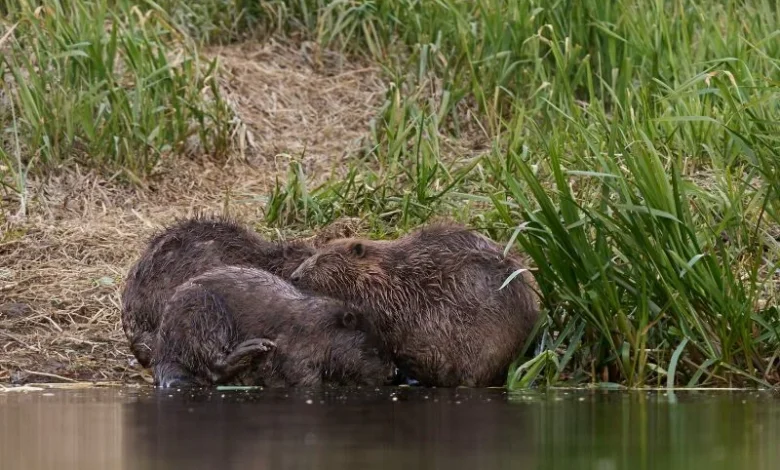
Once driven extinct 400 years ago in England, Beavers flood drought, beavers have made a remarkable comeback, and they are willing to work for free. Research indicates that their dams help control areas where floods and droughts are common.
How Did Beavers Return?
The beavers were first spotted in 2014 along the River Otter in Devon. In 2020, they were granted permission to stay for good as they started to settle along its banks, which are now inhabited by more than 20 families of beavers. The Scottish government has also attempted to reintroduce the beavers to their environment since 2016. It remains a mystery as to who brought in the beavers, while local authorities initially regarded them as pests and planned to remove them before the trial lasted five years.
How Do Beavers Help?
Beavers help store water. They are incredibly powerful when it comes to retaining water in wetlands; wetland habitats of four families contain 24 million liters of water, equal to 10 Olympic swimming pools. Beavers can reduce storm flows by about 30 percent. It turns out that the wetlands they created also assist in drought mitigation. Data indicate that water quality and biodiversity in the river improved. Because of them, 30,000 people came in summer to visit.
Are Farmers in Trouble? – beavers flood drought
Farm land remains a concern. Now Devon Wildlife Trust is working with landowners to make space for beaver wetlands and compensate them for the benefits.
Stay informed on nature’s biggest global events
- How Do Communities Fight Drought? Meet the volunteers in Hungary building their own dams.
- Which Species Are Recovering? Meet 10 endangered species making a comeback.
- Why Do Insects Matter? Learn their role in ecosystems.