Climate change is quietly becoming one of the biggest threats to the world’s food supply. Climate change food security, Hotter temperatures, unpredictable rain and extreme weather are making it harder for farmers to grow crops and feed a growing population. The strain is showing up in many countries, especially in communities that rely heavily on farming to survive.
Extreme Weather Threatens Food Production
Heatwaves, droughts and floods can ruin crops, shrink harvests and harm livestock. When the rain stops following its usual pattern, farmers are left guessing: when should they sow their seeds, and when should they irrigate?
The Food and Agriculture Organization of the United Nations (FAO) warns that climate change puts both agricultural productivity and the livelihoods of millions of people at risk. Extreme weather can also get in the way of moving and storing food, which makes shortages more likely.
Rising Food Prices Affect Families
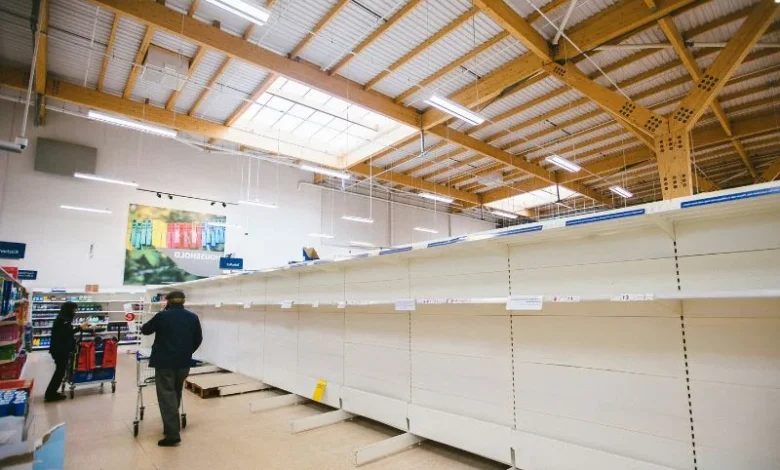
When harvests fall, there is less food to go around, and prices tend to climb. Low-income families feel this the most, since a big part of their income already goes toward food.
Climate change is not the only cause of the problem. Conflict, economic pressure and broken supply chains also affect how much food is available and how much it costs. But climate-related disasters can make all of these existing problems even worse.
What Can Be Done?
Experts say the first step is helping farmers adapt to changing weather. Climate-resilient crops, efficient irrigation, better soil management and more accurate weather forecasts can all help protect harvests.
Governments can do their part too, by strengthening food storage systems, cutting food waste and supporting small-scale farmers. The FAO’s climate change resources offer more information on building food systems that can better withstand these shocks.
Conclusion: Protecting Food for the Future
Climate change is not only an environmental issue. It also threatens food security and the way people earn a living. Without strong action, vulnerable communities could face growing uncertainty about whether they can afford enough nutritious food. Backing farmers, improving farming practices and cutting greenhouse gas emissions will all be key to building a food system that can stand up to what lies ahead.
Frequently Asked Questions (FAQs) – climate change food security
1. How does climate change affect global food production?
Climate change affects food production through rising temperatures, droughts, floods and changing rainfall patterns. These conditions can damage crops, reduce harvests and affect livestock.
2. How does climate change contribute to food shortages?
Extreme weather can reduce crop yields and disrupt food transportation and storage. When food supplies decline, some communities may face shortages and higher prices.
3. Why are low-income families more vulnerable to the global food crisis?
Low-income families often spend a large share of their income on food. When prices rise, they may struggle to afford enough nutritious food for their households.
4. Which farming practices can help reduce climate risks?
Climate-resilient crops, efficient irrigation, improved soil management, crop diversification and accurate weather forecasts can help farmers adapt to changing climate conditions.
5. Can climate change increase food prices?
Yes. Climate-related disasters can reduce agricultural production and disrupt supply chains, contributing to higher food prices. However, transport costs, conflict and market conditions can also influence prices.
6. What can governments do to protect global food security?
Governments can support farmers, improve food storage and distribution, invest in climate-resilient agriculture, reduce food waste and strengthen early-warning systems.
7. How can individuals help address the global food crisis?
Individuals can reduce food waste, plan meals carefully, store food properly and support sustainable food practices. These actions help reduce waste, although broader climate and agricultural policies are also essential.
Coral reefs face a growing global threat.
Are Kelp Forests Disappearing Too Fast?
Check out why kelp forests are rapidly declining.
How Is UAE Helping Coral Reefs?
Find out how UAE labs protect coral reefs.
What Helps Coral Reefs Recover Faster?
Uncover what supports reef recovery after bleaching.
Why Are Reefs Collapsing Across Countries?
Track down how climate change drives reef loss.
How Widespread Is Coral Bleaching Today?
Reveal how severely coral ecosystems are affected.