Bogong Moth Swarms Across Australia Fuel Hope for Endangered Species Recovery
Bogong Moth swarms across Australia raise hope for endangered species recovery, highlighting vital food webs and ecosystem links. Discover the story today.

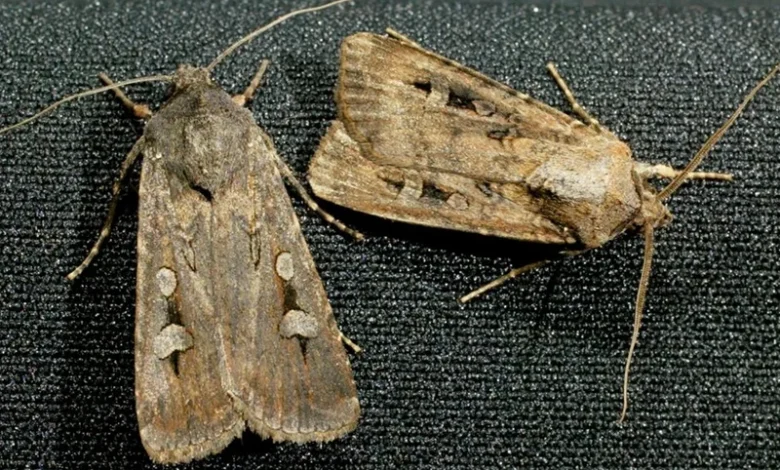
Millions of small brown moths have been turning up on windows, verandas and city streets across southeastern Australia this spring, and for once, that is good news. The insect in question is the Bogong moth, a species that was once so common it darkened the night sky, then collapsed so badly it was added to the international endangered species list. The sudden comeback is giving conservationists around the world a rare moment of optimism.
Why the Bogong Moth Matters Beyond Australia
The Bogong moth is not just a local curiosity. It plays the same kind of ecological role that migratory insects play everywhere, from monarch butterflies in North America to locust swarms in Africa and Asia. Every autumn, these moths travel up to a thousand kilometres from lowland breeding grounds to cool granite caves high in the Australian Alps, where they rest through summer in tightly packed colonies.
That long journey makes them a vital food source. The moths are the only one rich enough in fats and proteins to fatten the critically endangered Mountain Pygmy-possum before its winter hibernation, and when the moths failed to arrive in the late 2010s, possum populations collapsed alongside them.
A Population That Nearly Vanished
Between 2017 and 2019, a prolonged drought across eastern Australia hit the species hard. Reports at the time noted the population fell by as much as 99.5 percent in that short window, a decline severe enough for the International Union for Conservation of Nature to formally list the moth as endangered in 2021.
This year’s turnaround has been striking. An estimated four billion moths reached the Australian Alps over the 2025 to 2026 summer, the strongest return seen since the population crash began. Researchers link the rebound to wetter conditions that improved breeding grounds and food supply for young moths before their migration. The scale of the shift has even caught the attention of major international outlets covering the recovery.
Citizen Science Helps Track the Recovery
Ordinary residents are playing a direct role in monitoring this endangered species. Conservation groups such as Invertebrates Australia have launched a tagging program inspired by decades-old monarch butterfly research in North America, attaching tiny featherweight tags to moth wings so the public can report sightings.
A few simple actions are helping scientists track the species worldwide:
- Reporting moth sightings through local wildlife apps or conservation group websites
- Photographing any tagged moths and noting the date and location
- Turning off unnecessary outdoor lighting during migration season, since artificial light disorients moths
- Supporting habitat protection programs in alpine and farming regions
Conclusion
The return of swarming moths across Australia is a reminder that endangered species can recover when weather, habitat and public attention line up. Scientists are cautious, pointing out that long-term threats such as climate change and habitat loss have not disappeared. Still, this moment offers a simple takeaway for a global audience watching biodiversity decline elsewhere: recovery is possible, and small, consistent actions by ordinary people can genuinely help protect the species we depend on.
Track the latest climate changes.
Is Your Seafood Becoming Riskier?
Find how El Niño affects ocean pollution.
Why Are Heatwaves Getting Worse?
Check out the link between monsoons and El Niño.
What Happens During Super El Niño?
See the major weather changes ahead.
Could Food Prices Rise Soon?
Uncover how climate affects grocery costs.
How Will Weather Patterns Change?
Get to know this summer’s biggest climate shifts.