Indonesia Detects New Land Formations Near Anak Krakatau After Fresh Volcanic Eruptions

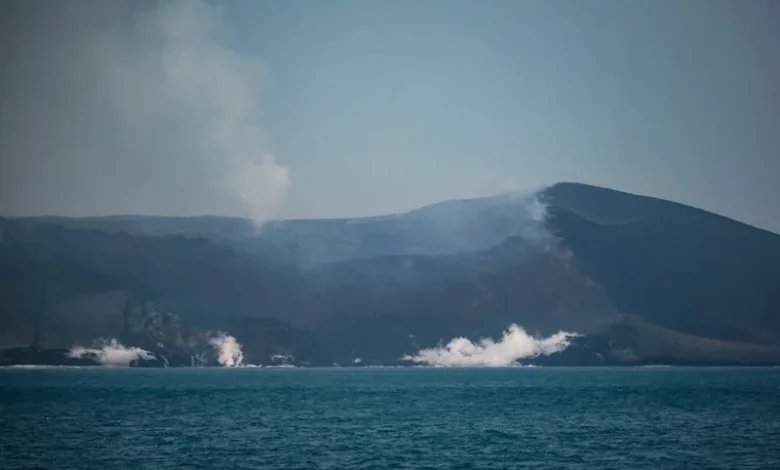
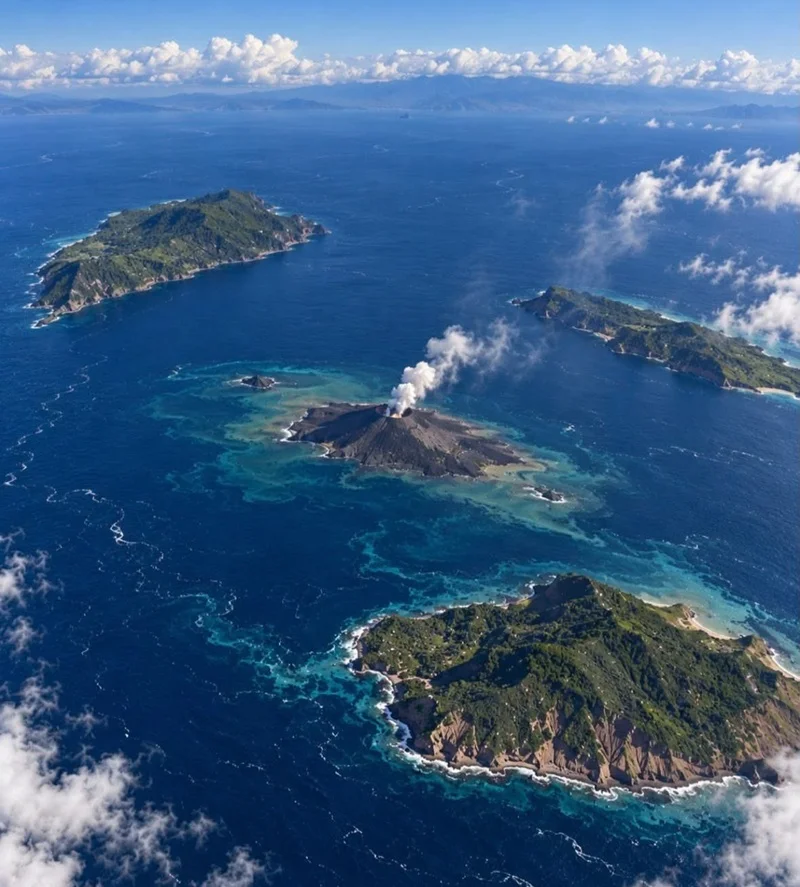
Volcanoes rarely give people the chance to watch new land being born in front of their eyes, but that is exactly what is happening in Indonesia right now. The country’s well known Anak Krakatau volcano, sitting quietly in the Sunda Strait between Java and Sumatra, has pushed out so much ash, rock and lava that its own shoreline has expanded and two brand new landforms have appeared nearby. For readers anywhere in the world, this is nature building ground in real time, something that usually takes centuries happening within weeks.
What Triggered the New Land
Indonesia’s geological monitoring agency recorded close to 25 hours of continuous eruptions in early September. During that stretch, the volcano kept throwing out pyroclastic material, hot rock fragments, ash, and lava, which settled around its base and slowly hardened into solid ground.
How Big Is the Change
The numbers coming from satellite monitoring are genuinely surprising:
- Anak Krakatau has added close to 33 hectares of new land on its northwest, west and southwest sides.
- Its total land area is now believed to be over 340 hectares, bigger than it was before the deadly 2018 collapse.
- Two separate island like formations have appeared, one to the northwest and one to the southeast of the main crater.
Officials are being careful not to call these findings final. Teams are still comparing older satellite images with the latest ones and plan to visit the site directly to confirm how solid this new land really is.
Why the World Should Pay Attention
This story carries real weight beyond Indonesia because of what happened last time Anak Krakatau was this active. In December 2018, part of the volcano’s slope suddenly broke away and slid into the sea, setting off a tsunami that hit the coastlines of Java and Sumatra without any warning and killed hundreds of people. That memory is exactly why scientists are treating this fresh growth with care rather than excitement, even though watching an island form naturally is rare and fascinating for anyone interested in how the Earth actually works.
Safety Steps Currently in Place
The alert level was eased from Level III down to Level II in late September as eruptions slowed. Even with that improvement, authorities are asking people nearby to:
- Stay at least two kilometers away from the main crater area.
- Keep a one kilometer gap from the two new landforms.
- Avoid boating or fishing too close until the area is fully cleared.
- Rely on updates from Indonesia’s volcanology agency rather than unverified posts online.
Not a New Volcano, Just New Ground
Experts quoted in local reports are clear that this is not a second volcano forming. It is loose volcanic debris that could either wash away with time or turn permanent if more lava flows over it and hardens into rock.
Conclusion
Anak Krakatau’s new land formation is a reminder of how quickly a volcano can reshape the surrounding land. The best advice for anyone following this story is to trust official alerts, and not speculation, while the situation is still being studied on the ground.
Track the latest climate changes.
Is Your Seafood Becoming Riskier?
Find how El Niño affects ocean pollution.
Why Are Heatwaves Getting Worse?
Check out the link between monsoons and El Niño.
What Happens During Super El Niño?
See the major weather changes ahead.
Could Food Prices Rise Soon?
Uncover how climate affects grocery costs.
How Will Weather Patterns Change?
Get to know this summer’s biggest climate shifts.