Sirocco Wind Explained: Origin, Formation, Characteristics, Effects and Direction of This Saharan Wind

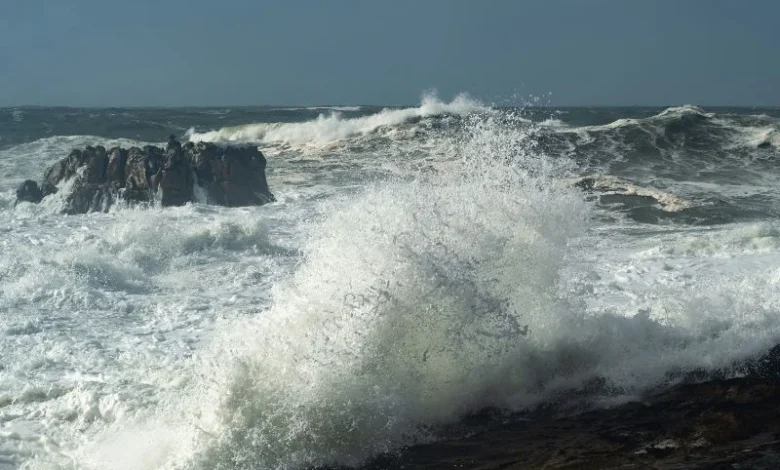
Every year a hot dusty wind blows out of Africa and alters the weather over an entire sea. Sirocco wind explained, The Sirocco wind begins as dry desert air but is often a long way from home by the time it arrives as a damp, cloud-laden breeze. Living near the Mediterranean Sea means feeling sudden heat, hazy skies, and a heavy, uneasy feeling in the air. Understanding this wind helps readers everywhere understand a weather pattern affecting farming, flights, health and everyday routines in several countries.
What is the Sirocco Wind?
The Sirocco is a seasonal wind that blows from over the Sahara desert in North Africa. Depending on where it hits land, it is called different names by local people, like Ghibli in Libya, Leveche in Spain and Jugo in Croatia. The name changes from place to place but the wind pattern is always pretty much the same.
The Origin of the Sirocco Wind
The wind is caused by the development of a low pressure system over the southern Mediterranean or North Africa. The low pressure pulls hot, dry air out of the Sahara Desert and pushes it north. The air is dusty and bone dry at this early stage, like the land it leaves.
How the Sirocco Wind is Formed
•The dry air moves north, over open water, and is transformed completely.
•It takes moisture from the surface of the sea.
•The dry heat becomes warm, damp air.
•A longer crossing over the sea brings yet more humidity.
•This change often means fog, haze and sometimes heavy rain.
•In southern Europe, the dusty, dry wind from Africa often arrives as a thick, sticky mass of air.
Sirocco Features
This wind is easy to identify by some clear signs:
•High temperatures, often above 30 degrees Celsius.
•Strong humidity when it hits the sea.
•Visible dust or sand at its early stage.
Storms with potentially fast rising wind speeds
It can last for half a day or stretch over several days
Sirocco Wind Dubbed
The Sirocco blows, normally from the south or the southeast, from North Africa to southern Europe. Where it goes exactly depends on where the driving low pressure system is, which is why some places get a drier version of the wind and others get a damp, foggy one.
Effects of the wind Sirocco
This wind leaves its mark on the environment, on transport and on daily life:
•Dusty conditions along the North African shore.
•Cloud and precipitation over southern Europe.
•Delays to ships and flights in narrow sea straits.
•Health complaints like headaches, broken sleep.
•Wear on equipment and structures due to dust.
•A contributor to high-tide flooding in some low-lying coastal cities, including Venice.
Why this wind matters for the world
The Sirocco is a regional wind, but it serves as a good example for readers everywhere of how desert air and sea moisture combine to build new weather. Similar patterns of winds can be seen elsewhere too, such as the Santa Ana winds of California, so the Sirocco is a useful case study for anyone interested in climate and geography.
Conclusion – Sirocco wind explained
The Sirocco wind shows how one stream of air can change its nature completely as it moves from a dry desert to a humid sea. From the Sahara to health, farming and travel across the Mediterranean, it remains a powerful reminder of how much weather shapes life on a daily basis. The next time you see hazy skies or a sudden rise in humidity in a Mediterranean town, chances are it’s the Sirocco.
Track the latest climate changes.
Is Your Seafood Becoming Riskier?
Find how El Niño affects ocean pollution.
Why Are Heatwaves Getting Worse?
Check out the link between monsoons and El Niño.
What Happens During Super El Niño?
See the major weather changes ahead.
Could Food Prices Rise Soon?
Uncover how climate affects grocery costs.
How Will Weather Patterns Change?
Get to know this summer’s biggest climate shifts.