Nor’easter Storm Hits New York and New Jersey: One Dead, Tens of Thousands Without Power

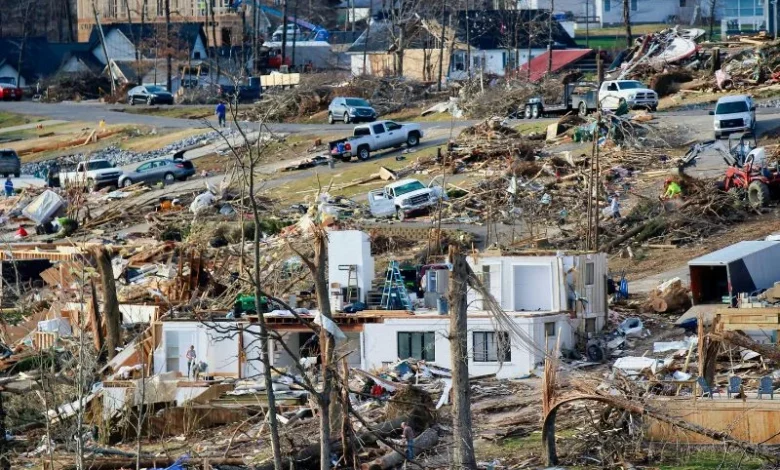
The first big nor’easter of the season reached the US north-east on Saturday and was slow to leave. By Sunday, a man in Brooklyn was dead, coastal streets in New Jersey were under water, and a state of emergency had been declared in both New York and New Jersey. nor’easter storm hits, The region is used to bad weather, but this storm still managed to stop flights, cancel big events and disrupt daily life for millions.
What Is a Nor’easter, and Why Was This One So Disruptive?
The name comes from the north-east wind that drives the storm onto the coast. These storms usually arrive in winter, so an autumn one caught many people by surprise. This system also moved slowly, which meant hours of steady rain and wind instead of one quick blast. A full moon added to the problem by pushing tides higher than normal, so the sea had little room to take the rainwater.
The Human Cost in Brooklyn
The man who died was 56 and worked for the New York City Housing Authority. Police said a tree fell on him near Euclid Avenue in the afternoon, and he died in hospital a short time later. A second tree came down nearby and injured four people, including children. Gusts in the city passed 35 mph, which does not sound extreme. But soaked ground loosens roots, and trees that look sturdy can go over surprisingly easily.
Power Cuts and Flooded Streets
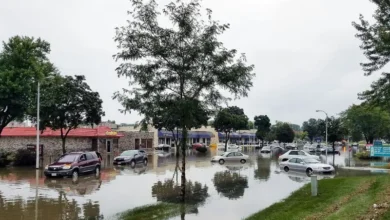
At the worst point, more than 160,000 homes were without electricity. By Sunday afternoon, power outages still affected roughly 80,000 customers, mostly in New York, New Jersey and Connecticut. Along the Jersey shore, towns such as Ocean City and Manasquan saw coastal flooding cover roads, and some residents moved around by kayak. Further north, gusts of up to 65 mph were forecast for Cape Cod, and ferry services stopped running.
How the Nor’easter Grounded Flights and Events
Travel took a beating. On Saturday, more than 2,400 flights were delayed and about 1,200 were cancelled. A Red Bull New York soccer match was called off, the Global Citizen Festival in Central Park was scrapped, and Ed Sheeran’s Boston concert was cancelled for safety reasons. For many visitors, the weekend turned into a long wait in an airport or a hotel room.
What Everyday People Can Learn From This Storm
Most storm injuries happen close to home, and small choices matter. A few habits are worth keeping in any country with a coastline:
- Keep well away from large trees and fallen wires. Treat every wire as live.
- Do not drive through standing water. You cannot tell how deep it is until it is too late.
- Charge your phone and set aside a torch and drinking water before a warning arrives.
- Follow your local emergency alerts rather than social media rumours.
Conclusion
Rain was expected to ease by Monday morning, but many families will spend more time without power while crews finish repairs. This nor’easter is a reminder that a storm does not need hurricane-level winds to be deadly. If you live near the coast, prepare early and take official warnings seriously. Your best protection is to stay indoors, stay informed and stay away from floodwater and falling branches.
Track the latest climate changes.
Is Your Seafood Becoming Riskier?
Find how El Niño affects ocean pollution.
Why Are Heatwaves Getting Worse?
Check out the link between monsoons and El Niño.
What Happens During Super El Niño?
See the major weather changes ahead.
Could Food Prices Rise Soon?
Uncover how climate affects grocery costs.
How Will Weather Patterns Change?
Get to know this summer’s biggest climate shifts.