
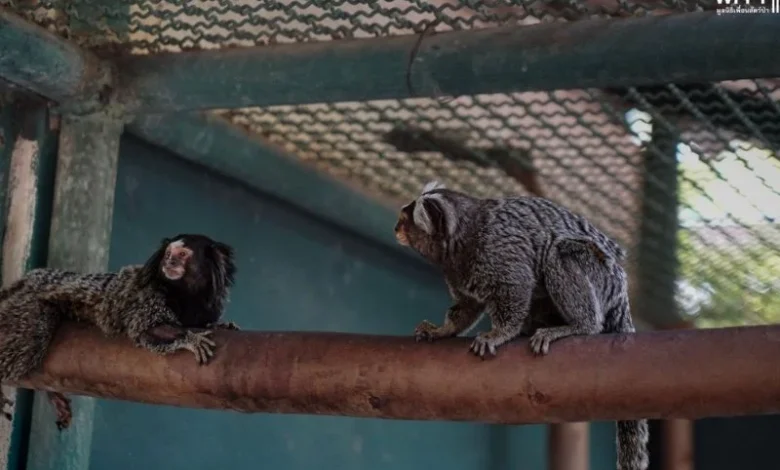
A parrot in the living room or a turtle in a glass tank might look harmless, but the exotic pet trade behind these purchases is turning into a genuine health worry. zoonotic disease risks, Vets, researchers and even customs staff in India are now flagging something that used to sound far-fetched: keeping unusual animals at home can put people at real risk of disease. It isn’t a distant problem either, it’s happening in Mumbai clinics and Bengaluru apartments right now.
Why Exotic Animals Are Riskier Than They Look
Cats and dogs have lived alongside humans for thousands of years, so our bodies have adapted to whatever bugs they carry. Parrots, iguanas and monkeys haven’t had that history with us. Vets treating imported or seized animals have come across psittacosis in birds (often nicknamed “parrot fever”), salmonella in reptiles, and tuberculosis in primates. One Mumbai-based vet who regularly handles imported birds was hospitalized with a lung infection and openly wondered whether it came from the parrots in her care. That’s not a small detail, it’s a warning most pet buyers never hear about.
How the Animals Even Reach Indian Homes
Here’s the uncomfortable part: a large chunk of this trade skips proper checks entirely. Animals move through informal networks, dodge mandatory quarantine, and land in homes or pet cafes without ever being screened. Public spaces like petting zoos make things worse, since one animal can be touched by dozens of strangers in a single afternoon. Even officials seizing trafficked wildlife often work without basic protective gear, so exposure starts before the animal reaches a buyer.
Simple Steps That Actually Help
- Buy only from licensed dealers who can show proper health paperwork
- Skip impulse buys from social media sellers or unverified online listings
- Wash your hands every time after handling the animal, not just occasionally
- See a doctor quickly if fever or breathing trouble follows contact with a new pet
- Push local bodies to fund the One Health approach, which treats human, animal and environmental health as one connected system
A Problem That Needs More Than Good Intentions
Wanting an unusual pet isn’t the crime here, the lack of screening and oversight is. Stronger checks on wildlife trade routes, better-equipped frontline officers, and honest conversations between vets and pet owners would go a long way. Until that happens, the responsibility mostly falls on buyers to ask harder questions before bringing an animal home.
Bottom line: An exotic pet might be trendy, but an untreated zoonotic infection is never worth the price, so choose carefully and handle responsibly.
More stories on extreme weather.
Why Is Bangladesh Facing Flood Risks?
Find the latest climate insights.
What’s Driving India’s Weather Split?
Check out the extreme weather patterns.
Is Sonamarg Travel Safe Today?
Get to know the latest advisory.
How Severe Are China’s Floods?
Browse the latest emergency updates.
Why Is Northeast India Flooding?
Uncover the unusual jet stream effects.