
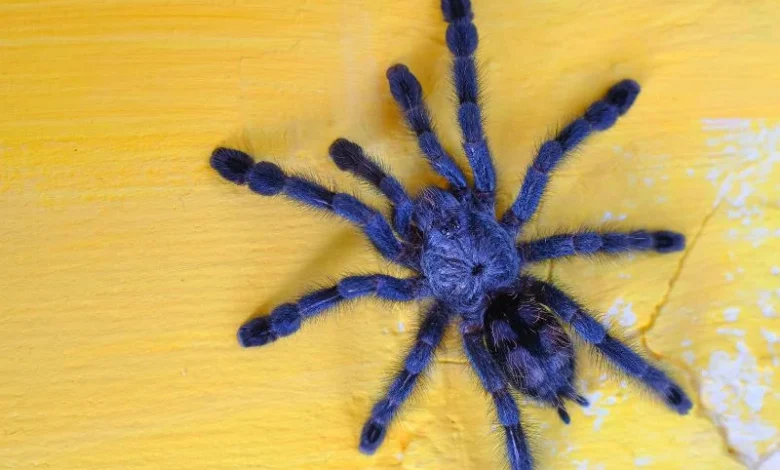
Deep in the woods of Andhra Pradesh there is a spider unlike any other on Earth. The blue peacock spider is a stunning blue tarantula that is found nowhere else on earth. Wildlife experts say it is now on the brink of extinction and have urged Indian authorities to act swiftly.
What’s So Special About This Spider
The peacock spider (Poecilotheria metallica) is recognized for its vivid sapphire blue color. Interestingly enough, this shade does not come from pigment at all. It’s due to tiny structures on the hairs of the spider that bend light in a certain way, like the way a butterfly’s wings shimmer. Scientists love this natural trick because it is rare in the animal kingdom. It’s called structural colouration.
The spider’s home is confined to a small patch of dry deciduous forest between Nandyal and Giddalur—smaller than most cities. It is so small its home range that any damage to the forest endangers the whole species.
Why the Species Is Going Extinct
This spider has been pushed to the edge by a few mundane stresses:
• Tree cutting for firewood and timber.
• Forest cleared for agriculture.
• Illegal capture for the exotic pet trade overseas.
• Disappearing tree hollows that the spider uses for shelter
The species is listed as Critically Endangered by the International Union for Conservation of Nature, its most severe warning of extinction short of the species being extinct in the wild.
India’s New Conservation Push
Forest officials in Andhra Pradesh are now planning a structured survey and protection plan. This includes mapping out the remaining habitat of the spiders, training local forest workers to identify illegal trade and working with nearby villages to protect rather than exploit the habitat. The interest of the public has also grown after the Deputy Chief Minister of Andhra Pradesh posted photos of the spider online, calling it a rare jewel of the Eastern Ghats.
Awareness—The simple checklist
• Don’t purchase exotic tarantulas on the internet without confirming their legality.
• Support verified wildlife trusts in Eastern Ghat.
• Do not publicly share where spiders are found. This attracts poachers.
• Report illegal wildlife trade to the local forest department.
Conclusion – blue peacock spider
The story of the peacock spider is a reminder that the smallest of animals need our protection now far more than before they slip quietly away. To help this rare tarantula is to help one forest, one habit, and one choice at a time starting today.
Explore More: Discover the Ideas and Innovations Shaping Tomorrow
Which Technologies Will Transform Industries Next?
Discover the breakthrough technologies that could reshape traditional industries and the future of work.
Why Are Wetlands So Important Globally?
Explore the world’s most important wetlands and learn why they are vital for nature and humanity.
Can Innovation Improve Renewable Energy Reliability?
Check out the latest innovations making renewable energy cleaner, smarter, and more dependable.
Which Countries Lead Green Living?
Discover the 2026 ranking of the world’s greenest countries and their sustainability achievements.
How Are Cities Fighting Climate Change?
Explore the cities investing in climate-resilient infrastructure to prepare for a changing future.