Indonesia’s Volcanoes Erupt Again: Why the Ring of Fire Nation Stays So Vulnerable

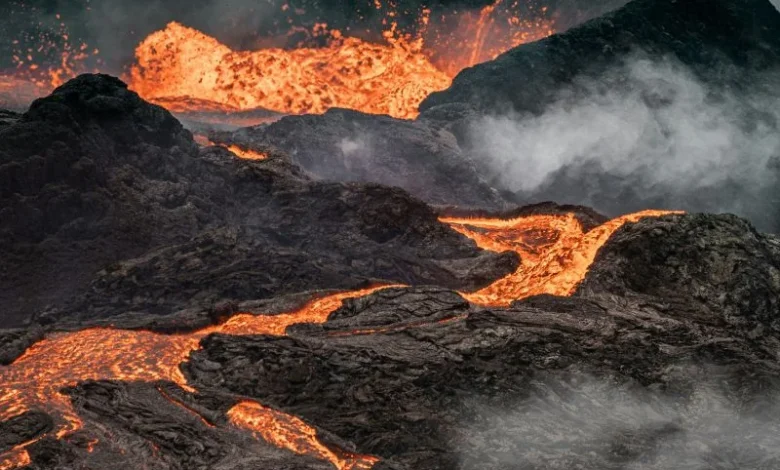
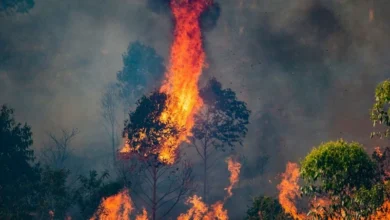
Anak Krakatau, sitting between Java and Sumatra, erupted again this month, sending ash thousands of metres into the sky. indonesia volcanoes erupt, The eruption forced Jakarta’s main international airport, the second busiest in Southeast Asia, to cancel hundreds of flights. For millions of Indonesians, this was not a rare shock but a familiar routine, because Indonesia’s volcanoes sit along one of the most active fault systems on Earth.
Why Indonesia Keeps Erupting
Indonesia is home to roughly 130 active volcanoes, and it straddles the Pacific Ring of Fire, a horseshoe shaped belt where the planet’s tectonic plates constantly grind against one another. This geological setting is the same reason the country also faces frequent earthquakes and tsunamis. Anak Krakatau itself is not a random troublemaker. It grew from the crater left behind by the catastrophic 1883 Krakatoa explosion, and it has been rebuilding itself ever since, occasionally erupting to remind the world it is still active.
Indonesia’s Geological Agency has said activity at Anak Krakatau has intensified since July, and officials admit they cannot say for certain whether a bigger eruption is coming. That uncertainty is the real challenge. Monitoring agencies read seismic patterns, gas levels, and ash height, but a volcano does not follow a fixed script.
The Human and Economic Cost
Each closure is a real cost to ordinary people, not just statistics.
•Flight cancellations leave passengers stranded, and airlines facing millions of dollars in refund and rerouting costs.
•Farmers near areas with ash fall lose crops and clean water.
•Ash falls on coastal waters, fishing communities stop work.
•Affected districts suspend school activities.
•Airport closures cost small businesses daily revenue.
Indonesia’s disaster mitigation agency BNPB has urged the public to stay calm but increase vigilance by wearing masks and eye protection, reducing outdoor activities, covering water sources and driving carefully because ash reduces visibility.
What Makes the Country So Vulnerable
Indonesia’s vulnerability is not only about geography. It is also about scale. The nation is a vast archipelago of thousands of islands, which makes evacuation logistics and emergency communication genuinely difficult compared to a single connected landmass. Many communities near active volcanoes are rural, with limited banking access and patchy mobile networks, so warnings sent through apps or bank linked alerts do not always reach everyone in time.
The government does provide free tools. The MAGMA Indonesia app, run by the volcanology agency PVMBG, publishes real time alert levels and ash reports for every monitored volcano in the country. Anyone travelling to or living near a volcanic area can check it before making plans. Flight disruptions have also spread beyond Jakarta, with Bali and Medan airports facing similar closures during past eruption cycles.
A Practical Safety Checklist
- Check the current alert level on MAGMA Indonesia before travel
- Keep a dust mask and eye protection at home if you live near a volcano
- Follow the official exclusion zone distance set by PVMBG
- Sign up for airline SMS alerts before flying through Jakarta, Bali, or Medan
- Store extra drinking water in case ash contaminates open sources
- Avoid outdoor activity when ash fall is reported in your district
Conclusion – indonesia volcanoes erupt
Indonesia’s volcanoes will keep erupting because the country sits directly on the Ring of Fire, and no amount of planning can change that geological fact. What can change is preparedness, from better rural communication networks to wider public awareness of tools like MAGMA Indonesia. For residents and travellers alike, staying informed before an eruption happens is still the simplest way to stay safe.
Track the latest climate changes.
Is Your Seafood Becoming Riskier?
Find how El Niño affects ocean pollution.
Why Are Heatwaves Getting Worse?
Check out the link between monsoons and El Niño.
What Happens During Super El Niño?
See the major weather changes ahead.
Could Food Prices Rise Soon?
Uncover how climate affects grocery costs.
How Will Weather Patterns Change?
Get to know this summer’s biggest climate shifts.