

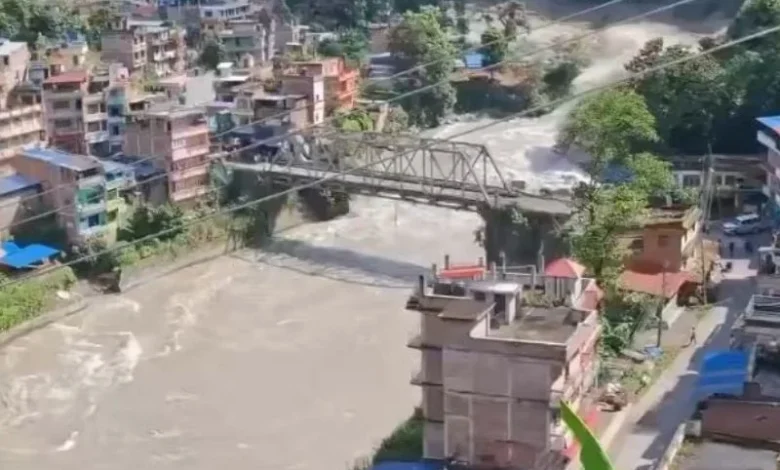
On August 26, a catastrophic flood tore through Nepal’s Bhote Koshi and Trishuli river valleys, sweeping a sudden surge of water, ice, rock and sediment through districts including Rasuwa, Nuwakot, Dhading and Chitwan. More than a thousand people died and thousands remained missing in the days after. Himalayan disaster risk management, The disaster is a stark reminder that Himalayan cooperation between mountain nations is still missing, even as the risks grow faster than any single government can manage alone.
Why This Disaster Is Bigger Than One Country
The Hindu Kush Himalaya stretches across eight countries and feeds ten major Asian river systems, with its waters ultimately sustaining nearly two billion people. Yet disasters here are still treated as national events, Nepal’s flood, India’s landslide, Bhutan’s glacial lake, rather than one connected mountain system. Water, ice and debris do not check passports before crossing a border, which is exactly why cross-border cooperation has to move from paper agreements to daily practice.
The 38-Minute Gap That Cost Lives
Investigations into the flood revealed a painful timeline. Instruments first picked up what looked like a small earthquake near the Nepal-China border. Minutes later, a border post was destroyed by debris and floodwater. Nepal’s disaster authorities only learned of the event around 9 a.m. and issued a public alert roughly 38 minutes after the first signal, by which time the flood had already caused massive damage. This shows why an early warning system that works across borders matters more than sensors placed only on one side.
What a Real Warning System Would Need
- Shared glacier and glacial lake databases between Nepal, China, India and Bhutan
- Joint satellite monitoring and river gauge networks
- Agreed protocols for passing warnings across borders within minutes, not hours
- Community-level flood volunteers linked to national and regional systems
- Fast-moving emergency funds that do not wait on slow bureaucracy
- Stricter rules on building roads, hydropower and homes near unstable slopes
Cooperation That Already Exists but Doesn’t Work
Nepal and China signed a memorandum in 2019 covering disaster risk reduction and hydrological data sharing. In practice, that agreement has not stopped floods from Chinese territory reaching Nepalese valleys without warning. Experts studying the region keep pointing to the same gap between agreements on paper and real action on the ground, and this region-wide hazard monitoring shortfall is the true meaning of “missing architecture.”
A Practical Checklist for Local Communities
- Learn your area’s flood and landslide evacuation routes now
- Save local disaster helpline numbers on your phone
- Follow official alerts from national meteorological and hydrology departments
- Avoid new construction near riverbanks or unstable slopes
- Push local leaders to ask for cross-border data sharing
Conclusion – Himalayan disaster risk management
Nepal’s tragedy will not be the last Himalayan disaster, and the mountains will keep ignoring political borders even if governments do not. Real regional cooperation, shared data, common standards and money that moves fast, is now a matter of survival, not diplomacy.
Track the latest climate changes.
Is Your Seafood Becoming Riskier?
Find how El Niño affects ocean pollution.
Why Are Heatwaves Getting Worse?
Check out the link between monsoons and El Niño.
What Happens During Super El Niño?
See the major weather changes ahead.
Could Food Prices Rise Soon?
Uncover how climate affects grocery costs.
How Will Weather Patterns Change?
Get to know this summer’s biggest climate shifts.