Muztagh Ata Avalanche in Xinjiang: What the Glacier Collapse Tells Tourists and Trekkers About Mountain Safety

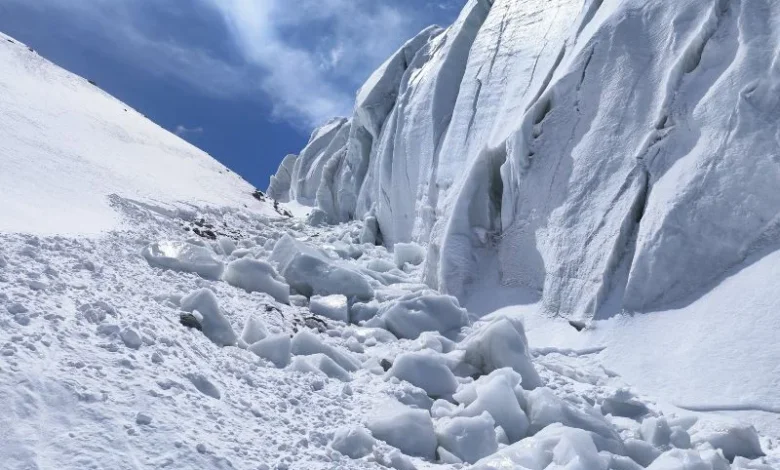
A dramatic avalanche has struck a glacier on one of Central Asia’s most photographed peaks. On Sunday, state broadcaster CCTV reported that a wall of snow and ice tumbled down Glacier No. 2 on Muztagh Ata, a 7,546-metre mountain in China’s remote Xinjiang region, close to the border with Tajikistan. Muztagh Ata Avalanche, Tourists nearby filmed the event on their phones, capturing a snow cloud that stretched more than 100 metres wide across the mountainside.
What Happened on Muztagh Ata
Muztagh Ata, whose name means “father of ice mountains” in the local Uyghur language, is known for its glaciers, gentle slopes, and popularity among climbers attempting a relatively accessible 7,000-metre peak. According to CCTV, the avalanche occurred in an unpopulated stretch far from major roads, so there were no casualties and no property damage. Glacier No. 2, where the collapse happened, is already closed to the public because of the ongoing risk of glacial activity in that section.
Why Local Authorities Had Already Issued Warnings
Just a day before the avalanche, the local culture and tourism bureau had warned visitors not to wander into unauthorised high-risk zones on the mountain. Their reasoning was simple and practical:
- The terrain is complex and unpredictable
- Weather conditions can shift suddenly at high altitude
- Mobile signal is weak or absent in many areas
- Rescue operations are extremely difficult if something goes wrong
This warning, issued just before the avalanche, shows how seriously Chinese authorities are treating glacier safety this season.
A Wider Lesson for Mountain Tourism
This incident is not isolated. Glaciers across High Mountain Asia, including the Pamirs and the wider Himalayan belt, are increasingly unstable due to changing temperatures and seasonal snowmelt patterns. For travellers anywhere in the world planning high-altitude trips, the Muztagh Ata avalanche is a timely reminder that closed zones exist for real reasons, not bureaucratic caution.
Checklist for Safer High-Altitude Travel
- Always check official closure notices before entering glacier zones
- Carry a satellite communicator where mobile networks are unreliable
- Travel with a licensed local guide familiar with current conditions
- Avoid restricted areas even if other tourists are filming or entering them
- Monitor local tourism bureau updates during your trip
Conclusion – Muztagh Ata Avalanche
The Muztagh Ata avalanche caused no harm this time, largely because it struck an empty stretch of glacier. But the footage is a stark visual reminder that mountains like this one demand respect, preparation, and obedience to local safety rules. Anyone planning a trip near glaciated peaks should treat official warnings as essential, not optional, information: staying safe on the mountain starts with staying informed before you go.
Track the latest climate changes.
Is Your Seafood Becoming Riskier?
Find how El Niño affects ocean pollution.
Why Are Heatwaves Getting Worse?
Check out the link between monsoons and El Niño.
What Happens During Super El Niño?
See the major weather changes ahead.
Could Food Prices Rise Soon?
Uncover how climate affects grocery costs.
How Will Weather Patterns Change?
Get to know this summer’s biggest climate shifts.