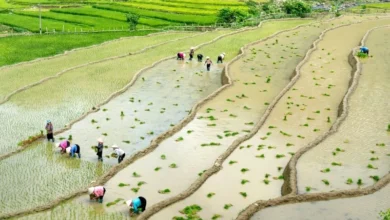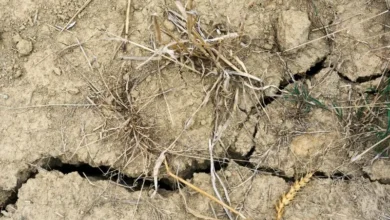

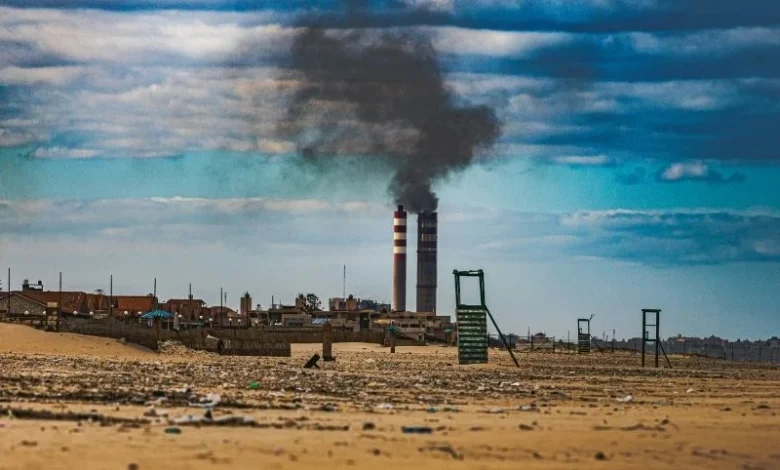
There’s a man in southern Bangladesh who once grew papaya, cucumber and okra on his land. Now he runs a small tea stall by a power plant gate, because his fields barely support crops anymore. His story isn’t unusual there. coal pollution in bangladesh, It points to something bigger happening across coastal Bangladesh, where coal pollution keeps worsening even as the rules meant to stop it grow weaker.
Why the Safeguards Aren’t Working
Bangladesh runs two separate pollution limits depending on a plant’s age. Facilities built before 2020 are allowed far higher sulfur dioxide, nitrogen oxide and particulate emissions than newer ones. One major coastal plant was recently exempted from routine air-quality testing altogether, with officials claiming such plants don’t pollute much. Scientists disagree. Coal burning, they say, remains risky no matter how good the equipment is, which is exactly why wealthier nations have moved away from it.
Life Near These Plants
Residents describe similar problems again and again:
- Waterlogged land, since plant drainage has nowhere else to go
- Fly ash settling on crops, soil and drinking water
- Fewer fish in rivers families have relied on for generations
- More coughing and breathing trouble, especially among children
- Farming and fishing incomes that have simply disappeared
For households without savings or a bank cushion, losing one harvest or fishing season can wreck finances for months.
What Could Actually Help
Nobody serious expects Bangladesh to drop coal overnight. But real fixes exist:
- Restore mandatory air and water testing at every plant, old and new.
- Apply one strict emissions standard instead of two weaker tiers.
- Fund livelihood support for displaced farming and fishing families.
- Promote solar home systems as backup power in weak-grid areas.
- Improve coordination between environment officials and plant operators.
A Bigger Pattern
This isn’t only a Bangladesh problem. Many coastal, climate-vulnerable countries face the same bind, needing electricity while trying not to harm communities already battered by cyclones and rising seas. How Bangladesh responds could shape decisions elsewhere.
Conclusion – coal pollution in bangladesh
Nobody’s asking Bangladesh to choose between electricity and clean air. What’s needed is simpler: enforce existing rules, test air and water properly, and support the families paying for this pollution with their health and income. Until that happens, the smoke over these villages will keep saying what officials haven’t addressed.
Explore More: Discover the Ideas and Innovations Shaping Tomorrow
Which Technologies Will Transform Industries Next?
Discover the breakthrough technologies that could reshape traditional industries and the future of work.
Why Are Wetlands So Important Globally?
Explore the world’s most important wetlands and learn why they are vital for nature and humanity.
Can Innovation Improve Renewable Energy Reliability?
Check out the latest innovations making renewable energy cleaner, smarter, and more dependable.
Which Countries Lead Green Living?
Discover the 2026 ranking of the world’s greenest countries and their sustainability achievements.
How Are Cities Fighting Climate Change?
Explore the cities investing in climate-resilient infrastructure