Klamath River Salmon Recovery: 20,000 Fish Return After Historic Dam Removal, But Hurdles Remain

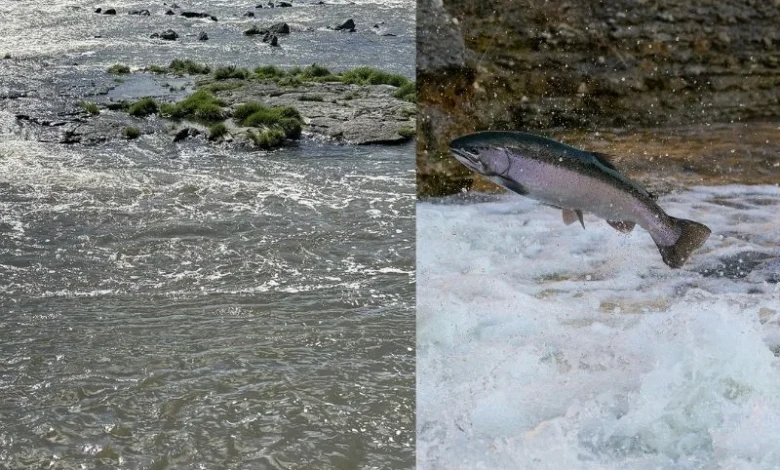
For more than a hundred years, four dams sat across the Klamath River in California and Oregon, blocking chinook salmon from reaching the spawning grounds their ancestors used for generations. Klamath river salmon recovery, When crews tore down the last of those dams in 2024, even the scientists involved weren’t sure how the fish would respond, or how quickly. Now there’s an answer, and it’s one worth paying attention to well beyond America, since dam removal is being weighed as a river-repair strategy on waterways across Europe and Asia too.
Why This Salmon Comeback Is Getting Global Attention
The Klamath used to be one of the most productive salmon rivers on the entire Pacific coast, before the dams changed everything. A brutal fish die-off in 2002, which killed tens of thousands of salmon in one summer, became the turning point. Tribes, biologists and conservation groups spent the next two decades pushing for dam removal, arguing it was the only thing that would actually work. They were right, at least so far. Salmon have already moved back into close to 90 percent of the river habitat they used to call home, faster than most researchers had predicted.
What’s Still Standing in the Way of Full Recovery
None of this means the river is fixed. Two smaller dams downstream still control water flow, and one of them wasn’t even designed with fish passage in mind, meaning plenty of salmon simply can’t get through. On top of that, farmers, tribes and wildlife agencies are still locked in disputes over water rights, some of which trace back to protections under the Endangered Species Act. This year alone, thin snowpack combined with a parasite outbreak killed hundreds of young salmon, a reminder that pulling out dams doesn’t make climate pressure disappear.
A few things river advocates anywhere can actually do:
- Push for water-sharing rules grounded in science, not politics.
- Demand fish-friendly fixes on any dams that remain.
- Follow local snowpack and drought data through government water offices.
- Support Indigenous-led conservation efforts. Often these are the best people to understand these rivers.
- Report odd fish sightings to local wildlife departments when you spot them.
Conclusion – Klamath river salmon recovery
What’s happening on the Klamath shows rivers can bounce back quicker than expected when they’re given room to breathe. But real recovery takes more than knocking down concrete. It takes a water policy that holds up year after year. The takeaway here is simple: tearing out a dam is where restoration starts, not where it ends.
Track the latest climate changes.
Is Your Seafood Becoming Riskier?
Find how El Niño affects ocean pollution.
Why Are Heatwaves Getting Worse?
Check out the link between monsoons and El Niño.
What Happens During Super El Niño?
See the major weather changes ahead.
Could Food Prices Rise Soon?
Uncover how climate affects grocery costs.
How Will Weather Patterns Change?
Get to know this summer’s biggest climate shifts.