UN Plastic Treaty Stalls: Why the World Still Can’t Agree on Cutting Plastic Production

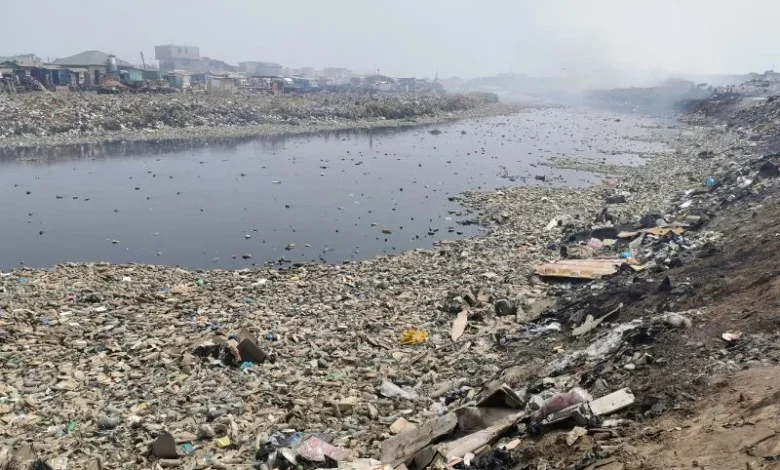
The title says it plainly: the UN plastic treaty has stalled, and the reason the world still can’t agree comes down to one word, production. This is not a treaty about whether plastic pollution is a problem. Almost every country accepts that it is. The fight is over what causes it and how far governments are willing to go to stop it at the source.
What “Stalled” Actually Means Here
Stalled does not mean talks have stopped completely. Diplomats keep meeting, drafts keep getting written, and deadlines keep getting pushed. What it means is that after more than three years of negotiations, the treaty still has no binding rule on the one thing scientists say drives the crisis: the sheer volume of new plastic being manufactured every year. Each round of talks, from Nairobi to Busan to Geneva, ends the same way, with that section either watered down or left out of the final text.
Why “The World Still Can’t Agree” on Production Cuts
The disagreement splits along a clear line. On one side sits a majority of countries, including the EU, the UK, and most of Africa, Latin America and the Pacific, who want firm caps written into the treaty. On the other side sits a smaller, wealthier bloc, led by Saudi Arabia, Russia, Iran and the United States, who want the treaty to cover only waste and recycling.
The reason is economic, not scientific. Nearly all plastic is made from oil, gas and coal. A production cap on plastic is effectively a cap on future fossil fuel demand, and that directly threatens the revenue of oil-exporting economies. That single fact explains most of what has gone wrong in these negotiations.
Why the Title Matters Beyond the Meeting Room
- Global plastic output is on track to nearly double by 2040 if nothing changes.
- Plastic manufacturing itself adds heavily to greenhouse gas emissions.
- A treaty limited to waste management leaves the root cause of plastic pollution untouched.
- Every stalled round gives producers more time to build plants that will run for decades.
The Bigger Picture
The treaty runs on consensus, meaning one country can block the whole process. Campaigners argue this rule has let a small group of oil-producing nations hold up an agreement that most nations actually support. That is the real story behind the headline: not a lack of will among most countries, but a voting structure that lets a few block the rest.
Conclusion – UN plastic treaty
The title asks why the world can’t agree, and the answer is straightforward once you follow the money. The countries that profit from making plastic are the same ones deciding whether to limit it. Until the rules of negotiation change or the economics shift, the treaty will keep stalling, and plastic production will keep climbing while the world waits.
Discover smarter ways to go green.
How Can You Cut Emissions?
Check out simple ways to reduce your footprint.
How Much Energy Does AI Use?
Find the hidden environmental costs.
Which Small Habits Make Difference?
Uncover easy actions with big impact.
How Green Is Film Production?
Dive into cinema’s environmental footprint.
What Are The Best Eco Steps?
Explore practical ways to lower emissions.