Microplastics Are in Your Blood, Brain and Tap Water: What Science Really Knows in 2026
Microplastics in Your Body are found in blood, brain and water. Learn the latest science, health risks and practical ways to reduce daily exposure.

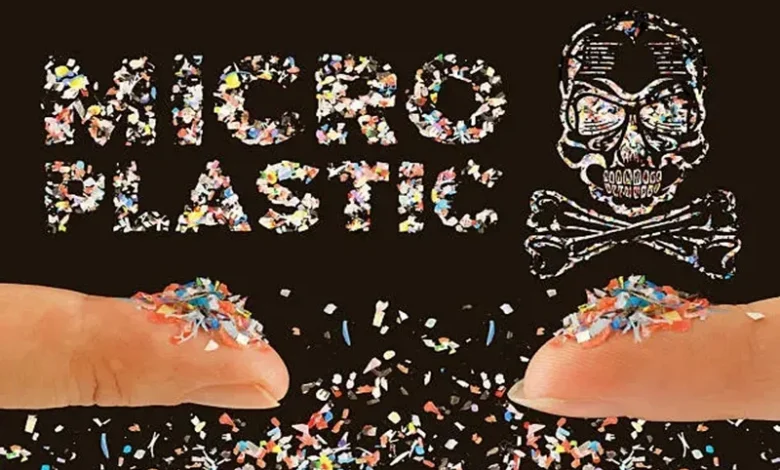
A decade ago, microplastics were mostly a problem for fish and turtles. Today, they are a problem for you. Scientists have now confirmed that microplastics are present in human blood, lodged in brain tissue and flowing through tap water in cities on nearly every continent. This is not a distant environmental worry anymore. It is showing up inside our bodies.
What Are Microplastics, Exactly?
Microplastics are plastic fragments smaller than five millimetres, roughly the size of a grain of rice or smaller. Nanoplastics are even tinier, less than one micrometre wide, small enough to slip past biological barriers that would normally stop larger particles. Both come from broken-down bottles, packaging, synthetic clothing fibres, car tyres and cosmetic products.
How They Get Into the Human Body
There are three main entry points:
- Eating and drinking — through packaged food, seafood, salt and bottled or tap water.
- Breathing — especially in cities with heavy traffic, where tyre dust becomes airborne.
- Skin contact — through certain cosmetics and synthetic fabrics.
What the Latest Research Shows
A landmark study published this year found microplastic particles in nearly every human brain sample tested, including tissue from otherwise healthy people. Separate research has linked higher microplastic levels in blood to a greater risk of blood clots forming in brain vessels, though scientists stress this shows an association, not confirmed proof of direct cause and effect. Researchers have also found these particles in the placenta, breast milk, lung tissue and artery plaque. The science is still developing, and long-term health effects are not fully mapped out yet, but the pattern of findings has alarmed toxicologists worldwide.
What This Means for Everyday Households
Regardless of where you live, plastic pollution regulation still varies widely. The European Union has introduced stricter microplastic rules for cosmetics, while other regions still lack basic water-quality testing for plastic particles. This gap means individual households often carry more responsibility for reducing exposure than official systems currently provide.
A Practical Checklist to Reduce Exposure
- Switch from bottled water to a filtered tap water system where possible.
- Avoid heating food in plastic containers or plastic wrap.
- Choose natural fibre clothing over synthetic fabrics when you can.
- Store food and water in glass or stainless steel rather than plastic.
- Vacuum and ventilate indoor spaces regularly to reduce dust build-up.
- Support local recycling and plastic-reduction policies in your community.
Conclusion
Microplastics have moved from headlines about ocean pollution to a genuine question about human health, and the science is only beginning to catch up. While researchers continue studying the long-term impact of microplastics on the brain and body, small daily choices around food storage, water filtering and clothing can meaningfully cut personal exposure. You cannot eliminate plastic from your life, but you can reduce how much of it ends up in your body, one habit at a time.
Learn More About Microplastics
Where Are Microplastics Found Today?
Discover how plastic particles reach our bodies.
How Can You Reduce Exposure?
Check out simple daily habits that help.
Are These Habits Really Effective?
Find practical ways to lower plastic intake.
Can Microplastics Affect Fertility?
Uncover what current research says about sperm health.
Could Algae Change Future Foods?
Browse how algae may reshape sustainable diets.