Green Plates, Global Palates: Why Algae’s Taste Test Will Decide Its Future on Our Tables

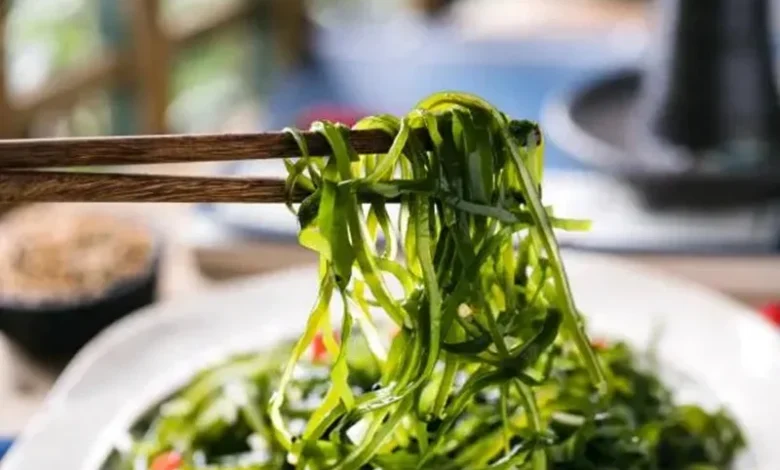
Algae has been called the food of the future for years, but the real question was never about nutrition. It was always about taste. Algae in the food industry is now going through a quiet transformation, as scientists and food companies work to make it something people actually enjoy eating, not just something they eat because it is good for them.
Why Algae Keeps Showing Up in Food Conversations
Algae, both the tiny microalgae like spirulina and chlorella, and larger seaweeds like kelp and nori, are rich in protein, fibre, omega-3 fats, and natural pigments. For a world trying to feed more people with fewer resources, algae grows fast, needs little land, and absorbs carbon along the way. That is why governments and food innovation programmes across Europe, Asia, and North America have been funding algae research as part of broader food security and climate plans.
The Sensory Problem Nobody Talks About Enough
Here is the honest part. Many algae products taste fishy, grassy, or slightly bitter, and some have a slimy texture that puts people off before they even swallow. Researchers studying consumer acceptance of algae found that green colours and marine smells trigger instinctive distrust, since our brains often link green tones and strong sea odours with spoiled food. This is not a small marketing issue. It is the single biggest barrier stopping algae from moving from health shops to everyday kitchens.
How the Industry Is Fixing the Flavour
Food scientists are now using sensory profiling, a structured way of testing how a product smells, tastes, and feels in the mouth, to guide product development instead of guessing. Some of the fixes already working include the following:
- Choosing milder algae strains that have naturally weaker odours
- Fermenting seaweed to soften strong marine notes and boost umami flavour
- Blending algae powder into familiar foods like crackers, pasta, and smoothies instead of selling it alone
- Using natural algae pigments as food colouring, replacing synthetic dyes in drinks and snacks
- Pairing algae with proteins like soy to hide bitterness in meat and seafood alternatives
What This Means for Everyday Buyers
For shoppers, especially first-time buyers, a few simple checks make trying algae foods much easier:
- Look for products labelled “mild strain” or “fermented” rather than raw powder.
- Start with blended foods such as algae pasta or protein bars instead of pure spirulina shots.
- Check for approval marks, since regions like the EU require algae ingredients to clear novel food safety rules before their sale.
- Read ingredient lists for known allergens, as some seaweed products contain naturally high iodine levels.
Market Integration Is Picking Up Pace
Despite the sensory hurdles, market integration for algae-based foods is accelerating. Brands worldwide are launching algae-based seafood substitutes, dairy alternatives, and natural colourants, often positioned as sustainable swaps rather than niche health products. Analysts researching microalgae in food systems note that mild-flavoured strains and better processing are steadily closing the gap between algae’s environmental promise and its everyday appeal.
Conclusion
Algae is not struggling because of poor nutrition. It is struggling because of taste, and that gap is closing fast as food companies invest in better strains, smarter processing, and honest sensory testing. For everyday consumers, the smartest move is to try algae through familiar, well-blended products first rather than raw supplements and to check labels for mild or fermented varieties. The future of sustainable eating may well taste better than you expect, one careful bite at a time.
Discover Our Changing Planet
Why Is Deep-Sea Mining Opposed?
Uncover the growing global movement.
How Do Microplastics Reach You?
Find where hidden plastics spread.
Which Countries Lead Sustainability?
Explore the world’s greenest nations.
What Makes Cities More Sustainable?
Browse top eco-friendly urban hubs.
How Do Mountains Control Weather?
Get to know nature’s powerful influence.