Microplastics Are Everywhere: How They Enter Our Food, Water, Air and Scientific Workspaces

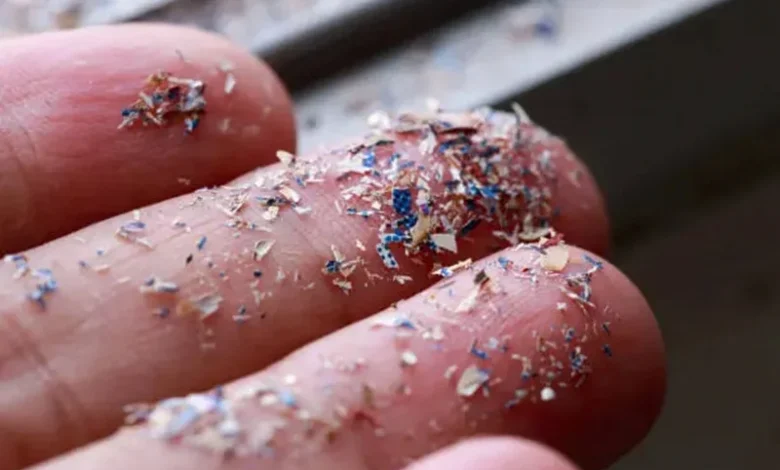
Plastic bottles and bags are easily visible and can be easily avoided. What is harder to see are the dust-sized plastic fragments already present in our food, our drinking water and the air inside our homes. From European rivers to Southeast Asian bays, scientists keep discovering microplastics in places no one thought to search—even within the very labs built to study them.
What exactly are microplastics?
Microplastics are pieces of plastic under 5 millimeters, the size of a sesame seed or smaller. They are formed in two main ways. Some are deliberately small, like the beads that were once used in facial scrubs. Most, however, come from larger plastic items such as bottles, packaging, tires, and synthetic clothing gradually breaking down in sunlight, heat and friction. Once formed, these pieces do not disappear. They keep breaking up into ever smaller pieces, which they continue to break into smaller pieces, which wind and water carry farther. farther by wind and water.
The Global Journey of Microplastics
From research conducted on different continents, researchers have identified several common routes for microplastic pollution. Researchers have traced several common routes from studies conducted on different continents:
•Rivers and oceans: Microplastic pollution is a constant in waterways on almost every continent, from rivers in Southeast Asia to European coastlines, with most of it in the form of fibers from clothing and fishing gear.
•Drinking water: Studies comparing tap water from different countries found microplastic particles even after standard filtration, with older or basic treatment systems typically removing fewer particles than modern facilities.
•Seafood and food chains: Microplastic ingestion has been recorded in fish and shellfish collected in coastal regions across the globe. It means the fragments are already making their way through food supplies that land on dinner tables everywhere.
•Household air and dust: No matter where you live, synthetic fabrics, carpets and worn plastic items shed tiny fibers indoors that settle into dust and are inhaled over time.
•Laboratories themselves: Plastic labware, gloves and even the air in testing facilities can contaminate samples, prompting researchers to rethink how they conduct microplastic studies.
What This Means for Your Daily Health
Studies are looking into the long-term health effects, but early studies show possible inflammation and disruption of hormones with repeated exposure. Seafood, packaged food and tap water are part of everyday life almost everywhere, so this is not a niche environmental issue. It is quietly lurking in the everyday routines, often unseen because there is no smell, taste or sign of contamination.
What Regulators Do
Governments are starting to do something about it, but it is patchy. From 2026, the European Union has introduced rules limiting intentionally added microplastics in products and new reporting obligations for producers. The World Health Organization has reviewed the evidence on microplastics in drinking water and is continuing to update its guidance as research develops. In many other countries, authorities are still building the monitoring systems needed to track exposure and establish clear safety thresholds.
What You Can Do Now
Although it is impossible to completely eliminate microplastics, adopting a few habits can significantly reduce your daily exposure:
•Use glass, stainless steel or ceramic whenever possible, and avoid heating food or drinks in plastic containers.
•“Run the tap water briefly before using, especially in the morning.
•Whenever you can, air-dry your laundry; machine dryers release more synthetic fibers into the air of your home.
•Regular vacuuming and dusting will reduce the buildup of plastic fibers indoors.
•Wherever possible, cut down on single-use plastic packaging and sachets.
•Check for any new safety advice from environmental agencies, such as the EU’s chemicals authority or your national health ministry.
Conclusion
Microplastics have moved from scientific curiosity to being quietly ubiquitous in food, water and homes around the world. While researchers work to chart the complete picture of health, individuals do not have to wait for all the answers before taking action. Small, consistent changes in food storage, water use and material choices can meaningfully reduce daily exposures. Microplastic reduction starts at the kitchen counter and not just in the laboratory.
Make smarter choices for a healthier planet.
How can you reduce exposure?
Discover simple daily habits to limit microplastics.
Which habits really make difference?
Check out practical ways to lower everyday exposure.
Can microplastics affect fertility?
Look into the latest research on sperm health.
Which cities face extreme heat?
Browse places experiencing record-breaking heatwaves worldwide.
Which food has lower emissions?
Find the carbon footprint of popular protein choices.