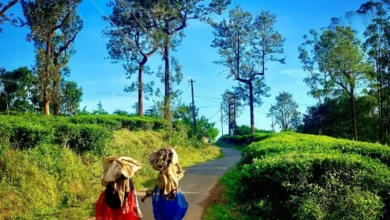

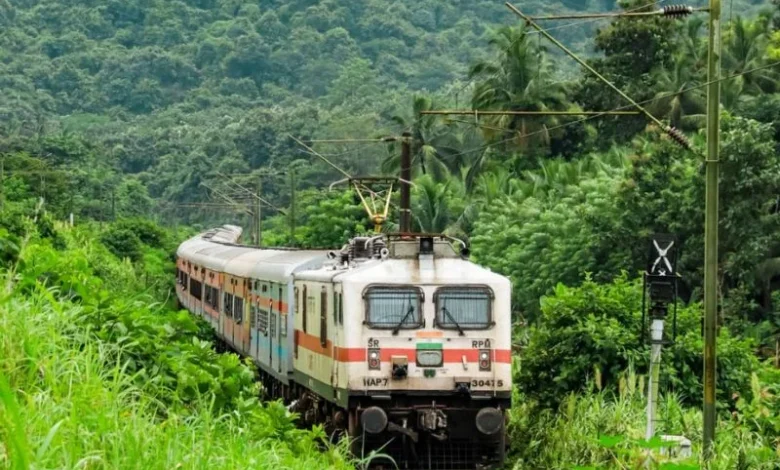
One of the world’s richest biodiversity hotspots has been in political limbo for more than a decade. The Western Ghats are a mountain range of 1,500 kilometers along the western coast of India. Western Ghats protection, Yet, six state governments cannot agree on how much of the mountain range deserves strict environmental protection.
What is an ecologically sensitive area and why is it important?
An Eco-Sensitive Area (ESA) is an area where mining, quarrying, major construction and heavy industry are prohibited or regulated to protect fragile ecosystems. The Western Ghats pass through the states of Gujarat, Maharashtra, Goa, Karnataka, Kerala and Tamil Nadu and are home to thousands of species of plants and animals found nowhere else on Earth. The region is also highly susceptible to landslides, which was starkly brought to light after the fatal Wayanad landslides in Kerala.
Seventh Draft Notification
India’s Union Ministry of Environment issued a seventh draft notification in July, proposing to designate 56,825 sq km of the Ghats as ecologically sensitive. It’s not new territory. The same figure has been proposed six times previously and rejected, dating back to recommendations first made by ecologist Madhav Gadgil and later softened by a committee led by scientist K. Kasturirangan.
Why does the state object?
• It’s not really science. It’s about livelihoods.
• Kerala and Goa are worried that the tighter norms will hit tourism and real estate.
• Karnataka has said the restrictions could harm farming and local economies.
• Several states are concerned about losing control of land already used for agriculture or settlement.
• Local communities are concerned satellite map boundaries don’t represent the real population on the ground.
Each draft notification will have an expiry date. If states do not respond in time, the notification just lapses, and the ministry has to start all over again. This has essentially happened seven times since 2011.
What This Means Elsewhere in India
This is more than just a local land dispute. It is a case study of a dilemma facing many countries: how to balance conservation with the economic needs of people already living in ecologically fragile regions. From the Amazon to the rainforests of Indonesia, governments are struggling to find lines that protect nature without punishing the communities living near it.
Quick checklist: After the Western Ghat story
• Look for the longer deadline in 2027, when the expert committee is supposed to report back.
• See if the government moves to a state-by-state notification, rather than one combined map, in the video.
• Notice how disaster events like landslides tend to speed up political will.
• Follow how affected communities, not just state governments, are engaged going forward.
Conclusion – Western Ghats protection
The Western Ghats debate is a case study in the difficulty of converting environmental science into political consensus, especially when jobs and land rights are at stake. Until India’s states find common ground, one of the planet’s most important natural treasures will remain waiting for lasting protection.
Explore More: Discover the Ideas and Innovations Shaping Tomorrow
Which Technologies Will Transform Industries Next?
Discover the breakthrough technologies that could reshape traditional industries and the future of work.
Why Are Wetlands So Important Globally?
Explore the world’s most important wetlands and learn why they are vital for nature and humanity.
Can Innovation Improve Renewable Energy Reliability?
Check out the latest innovations making renewable energy cleaner, smarter, and more dependable.
Which Countries Lead Green Living?
Discover the 2026 ranking of the world’s greenest countries and their sustainability achievements.
How Are Cities Fighting Climate Change?
Explore the cities investing in climate-resilient infrastructure to prepare for a changing future.