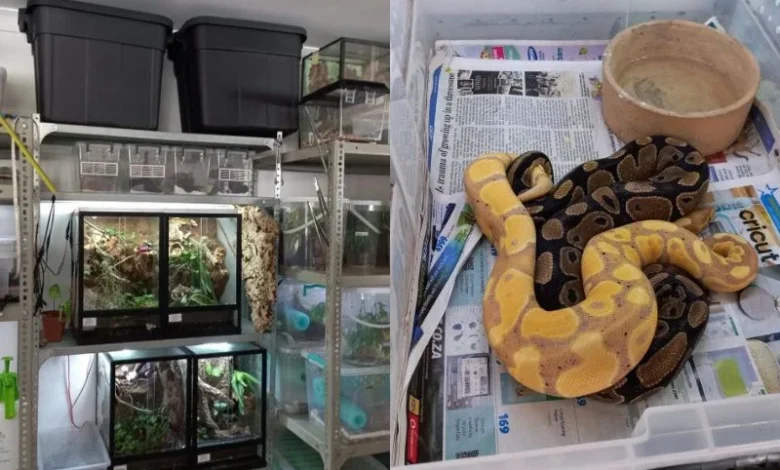
Reptile trafficking, Snakes, turtles, lizards and crocodiles are being taken from forests, deserts and rivers at an alarming rate to feed a hidden but massive industry. The reptile trade is now one of the most profitable niches within wildlife trafficking, a criminal economy that has become one of the largest illegal trades on the planet, alongside drugs and arms smuggling.
Really, how big is the problem?
Estimates for the total size of the wildlife trafficking market vary from about $7 billion to more than $20 billion annually, as so much of it occurs off the books. This includes a large share of reptiles. A recent scientific study has found that more than a third of all known reptile species are already being bought and sold online and that most of that trade is completely outside of international protection rules.
How the Reptile Trade Ships Animals
Most live reptiles are sold to private collectors looking for something rare or unusual as exotic pets. Crocodile, alligator and python skins are a food source for the luxury fashion industry, ending up as designer bags, belts and watches. Some species are used in traditional medicine, some are kept illegally in private zoos.
A Worldwide Supply Chain
The trade runs across continents. Source countries such as Australia, Madagascar and parts of Southeast Asia lose native reptiles to smugglers who hide them in popcorn wrappers, tin cans and shampoo bottles to hide from customs. Buyers are concentrated in wealthier markets in North America, Europe and East Asia. The online exotic pet trade has made this easier than ever, with sellers reaching buyers directly via marketplaces and social media, often using coded language to avoid detection.
Why it’s so hard to quit
Many of the reptile species being traded are not officially listed as endangered, so it is not always illegal to sell them, even if they are being traded unsustainably. Enforcement agencies are already overstretched, and traffickers are now using encrypted messaging and even cryptocurrency payments to avoid detection. The CITES treaty, which controls cross-border trade in more than 40,000 species, simply can’t keep up with the speed at which new species are being targeted.
What to look for as a buyer or traveler
• Before you buy an exotic reptile, ask for proof of captive breeding, not a seller’s word.
• Buy reptile leather products only if they have clear documentation of their origin.
• Report suspicious listings on social media and marketplaces.
• Before bringing a species home from travel, check to see if it is protected.
• Support verified rescue and rehabilitation centers and not private sellers.
Conclusion – reptile trafficking
Good intentions aren’t going to shrink the reptile trade. The industry needs tougher laws, better online surveillance and buyers who ask harder questions before handing over their money. Every unchecked purchase creates pressure on already-struggling wild populations.
Wildlife Stories Every Nature Lover Should Explore
Are Flea Treatments Harming River Wildlife?
Check out how pet treatments may affect UK waterways.
Could Bird Flu Threaten Victoria Wildlife?
Find out how the outbreak is putting birds at risk.
Why Should Wildlife Lovers Visit Kaziranga?
Uncover the park’s must-see wildlife experiences for 2026.
What Wildlife Thrives In Kerala Backwaters?
Browse the unique birds and aquatic species found there.
Which Kenya Safaris Offer Unforgettable Wildlife?
See the top safari experiences for discovering Kenya’s wild side.