How Climate Resilience Can Help Cities and Businesses Grow
Cities thrive as Climate Resilience reduces risks, attracts investment and strengthens local economies amid extreme weather.

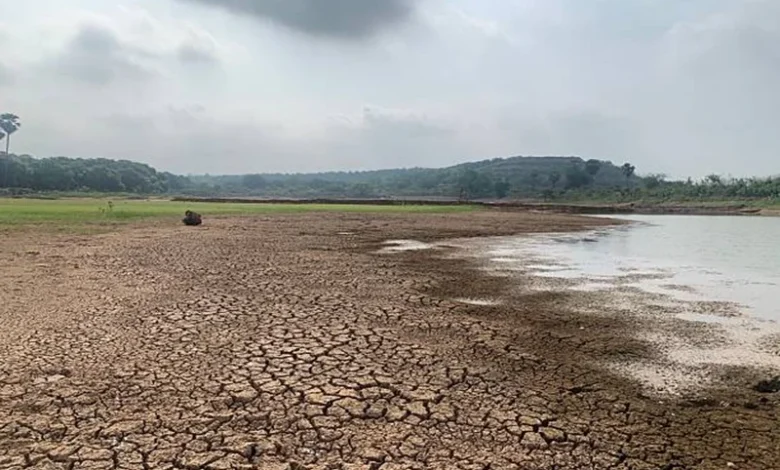
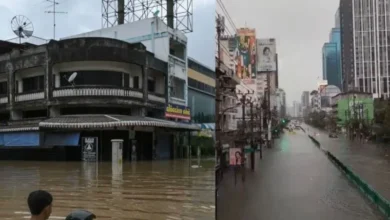
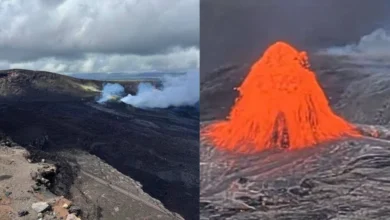
Extreme weather is not a once-in-a-decade headline anymore. “Cost of doing business, monthly. climate risk is changing where companies locate offices and supply chains, from flooded ports in Southeast Asia to heat-stressed grids in Europe. Cities that invest in smart urban resilience planning find that protection and prosperity can be mutually reinforcing.
Why Business Is Becoming a Climate Resilience Decision
Climate adaptation used to be seen as a cost, something that governments paid out of duty rather than strategy. That is changing rapidly. Global surveys show that most large companies have already suffered losses or had to stop work because of extreme weather. Executives are discreetly rewriting supply chain maps, preferring sites that can stay open through a flood, a heatwave or a storm.
Climate readiness is becoming as important as tax rates or labor costs to investors. Cities that have invested early in flood defenses, cooling infrastructure and reliable power are reaping the benefits in the form of more business activity, jobs and stronger property values.
What Resilient Cities Are Really Doing
•Flood barriers and drainage upgrades that absorb heavy rain instead of flooding streets.
•Boosting tree cover and reflective materials to reduce dangerous urban heat.
•Creating dedicated heat and resilience officers to coordinate emergency planning.
•Apps that provide early warning to residents and businesses of impending storms.
•Working with insurers and development banks to finance resilience projects.
The most motivated are coastal and low-income cities in Asia, Africa and Latin America, which have high exposure but fewer safety nets. Tools such as local weather alert apps and community savings groups are often used by mobile-first users to fill the gaps in limited formal insurance or banking access.
The Daily Payoff for Local Economies
Ordinary households also benefit when a city becomes more climate resilient. Fewer flooded roads means fewer workdays lost for drivers, vendors and delivery workers. Fewer visits to the hospital for heat-related illnesses mean less strain on public clinics—and cooler streets help make that happen. Families pay a hidden “climate tax” in medical bills, spoiled food and lost wages. Reliable power and water mitigate it.
A Simple Checklist for Local Leaders and Businesses
•Map neighborhoods or facilities most at risk from flooding or heat.
•Start with low-cost, high-impact actions like planting trees and clearing drainage.
•Partner with insurers, banks or NGOs to co-fund bigger resilience projects.
•Create early-warning systems that residents can access on common mobile phones.
•Track and publicize results—tangible progress draws more investment.
Conclusion
Climate resilience is no longer a side show for environment ministries. This is at the heart of how cities compete for jobs, investment and talent in a warming world. Companies that prepare for climate risk protect their business. Cities that build resilience protect their economy. “The safest cities are becoming the most prosperous and that transformation is now underway.”
More climate stories to explore.
How Is Ladakh Changing Fast?
Check out how climate change threatens its historic architecture.
Why Are Animals Moving Away?
Find how climate change is reshaping wildlife migration.
Could Permafrost Worsen Climate Change?
Uncover why melting Arctic ground is a growing concern.
Can Kids Change Climate Policies?
See how youth lawsuits are influencing climate action.
Why Are Digital Climate Strikes Growing?
Browse how online activism is reshaping environmental protests.