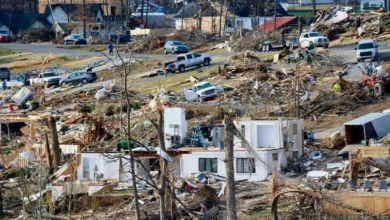
Severe Storms Sweep Mississippi Valley: What Happened and What Triggered Them?
Mississippi Valley Severe Storms bring damaging winds, hail and tornado risks as unstable weather patterns threaten communities across the central US.


A fresh round of severe storms hit the Mississippi Valley, the latest in a series of outbreaks that have plagued the central U.S. through 2026. From damaging wind gusts to large hail to isolated tornadoes, communities across Missouri and Illinois spent this week watching the sky closely. For a region already battered by repeated severe weather this year, the question on everyone’s mind is simple: Why does this keep happening and what can families do about it?
Pictures This Week In
That warm, humid air mass sat over Missouri and Illinois, and that was the beginning of trouble. A disturbance swinging down from the northwest met that muggy air and sparked scattered showers and thunderstorms through the afternoon and evening. Some storms had gusts up to 50 to 60 mph, large hail and the possibility of an isolated tornado. The Storm Prediction Center has issued a slight risk for parts of eastern and central Missouri and western Illinois including St. Louis, Columbia, Rolla and Springfield.
What’s Actually Causing These Storms
In this area, severe storms develop when three ingredients come together:
•warm, moist air near the ground, cooler air aloft, and a trigger such as a cold front or an upper-level disturbance that causes the air to rise rapidly.
•The Mississippi Valley is a natural collision zone. Gulf moisture is moving north; drier, cooler air from Canada and the Rockies is moving south.
•When these air masses collide, particularly in the spring and early summer, the atmosphere becomes unstable enough to produce fast-forming thunderstorms, damaging winds and tornadoes.
Why the Region Gets Hit Again and Again
This year has already seen several major weather outbreaks in the Mississippi Valley, including a deadly tornado outbreak in Mississippi in May and a large outbreak across the Midwest and South in late April. The rounds’ frequency in 2026 has kept emergency agencies on alert for much of the season, but meteorologists note the rounds are consistent with typical storm patterns in the spring into summer.
A Short Checklist for Staying Safe
•Make sure you have a weather radio or a good alert app turned on during storm season.
•Find the nearest safe shelter and get away from windows.
•Never drive on flooded roads.Move loose outdoor items indoors before a storm.
•If warnings are issued, check on older neighbors and relatives.
•Have a charged phone and flashlight ready in case of power outage.
Conclusion
The severe storms that have hammered the Mississippi Valley this year aren’t a fluke; they’re part of a repeating pattern that stems from the region’s particular blend of warm air from the Gulf and cooler northern systems. As the season progresses, families can best protect themselves by staying informed through official alerts and having a basic safety plan in place. Preparation, not panic, saves lives when the sky darkens over the Mississippi Valley.
Stay ahead of every storm.
Can Hail Damage Solar Panels?
Check out simple ways to protect them.
Do Dust Storms Harm Solar?
Find the essential safety checks today.
Is Srinagar Safe To Visit?
Browse the latest weather alert updates.
Is Your Roof Storm Ready?
See how to secure outdoor solar setups.
Will Weekend Storms Disrupt Plans?
Look into the latest IMD weather alerts.