How to Secure Your Roof and Outdoor Solar Setups Before the 50 km/h Northeast India Thunderstorms Hit Before Monsoon

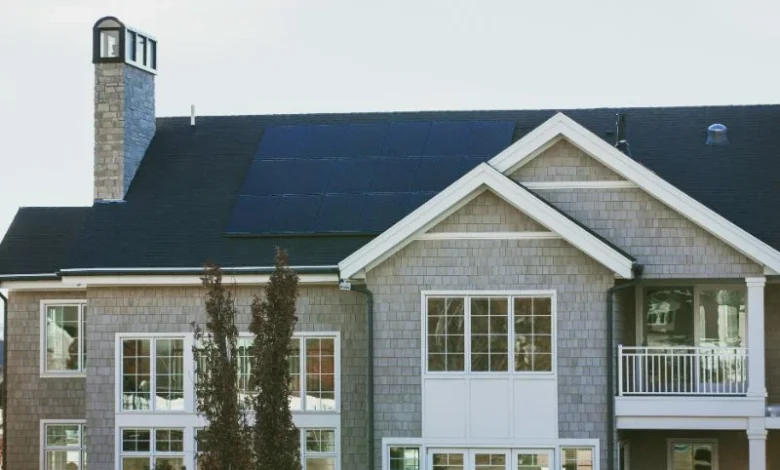
Weather officials from Assam, Meghalaya,Tripura, Mizoram and other states in the north-eastern region of India have issued warnings to residents to prepare themselves for strong winds, lightning and heavy rain ahead of the monsoon season due to a series of pre-monsoon thunderstorms that are expected to develop in the region. If wind gust speeds reach up to 50km/h (31 mph), many people could experience damage to weakly secured rooftops, outdoor solar systems, satellite dishes, rainwater collection tanks, and loose metal sheeting.
Protecting Roof Structures and Outdoor Equipment
Residents should also make sure that they secure outdoor furniture, coolers, temporary storage sheds, and construction materials that could be blown off by high wind gusts to reduce the chances of losing their roof to severe wind gusts during a storm.
Along with the possibility of roof and outdoor equipment damage due to wind, lightning strikes can present a real danger to those living in northeast India during thunderstorms. Experts therefore recommend that you avoid going out on your rooftop during an active thunderstorm and that you use surge protectors when possible to protect sensitive electronic devices from damage caused by lightning strikes.
Solar Energy, Costs & Panel Comparisons 2026
Explore solar panel prices India 2026 drop?
Discover current costs and market price trends.
Check wind vs solar energy better option?
Explore which renewable source suits homes and businesses.
Discover installing solar California worth savings?
Check 2026 costs, incentives and long-term benefits.
Explore Tata Solar vs Adani Solar Chennai?
Discover panel comparisons for efficiency and value.
Check Aureus Solar vs HDT Solar India?
Explore features, pricing and best-buy options.
Many accidents that result from storm damage occur because people disregard storm warnings and try to work on their homes after storms have begun.
Basic storm preparedness includes the following :
- Secure any loose roofing materials that may be on the roof.
- Ensure that solar panels have been properly mounted and are functioning properly.
- Remove any debris that may be blocking the roof’s drains to ensure proper drainage of any water.
- Ensure that there is enough power to recharge your emergency lighting and portable batteries.
- Do not access the rooftop, if at all possible, when a thunderstorm is occurring.
Final Words
The majority of solar energy systems are designed to work outdoors. As with any exterior device, extreme weather has the potential to reveal a poorly constructed installation or show signs of a lack of proper maintenance. If homeowners can take proactive measures before there are strong storms, they may lessen the chances of having to pay for costly repairs to their equipment following the additional intensification of the monsoon season.
FAQs
Will winds at 50 km/h damage rooftop solar panels?
Yes, if mounting systems or panels are not placed in a sound manner, then the functional integrity of either or both may be compromised when affected by strong thunderstorms.
Where should a homeowner begin their inspection?
Inspect the mounting brackets, check to ensure any loose wiring is addressed, examine drainage systems, and inspect the roof top fixtures.
Are solar panels water resistant?
The new solar panels are designed to be weather resistant; however, if the seals are damaged or there is a risk that the wires will be exposed, then significant problems may arise when excessive rainfall occurs.
Should rooftop solar system be turned off during thunderstorm conditions?
If there is a high potential for severe thunderstorms or damage due to lighting strikes and/or electrical surges, it is advisable to disconnect the non-essential loads from the photovoltaic array and the related electrical systems.