
Carbon Border Taxes Are Quietly Reshaping Asia’s Export Economy
Carbon Border Taxes are reshaping Asia's export economy as EU carbon charges raise costs, forcing exporters to adapt and stay competitive globally.

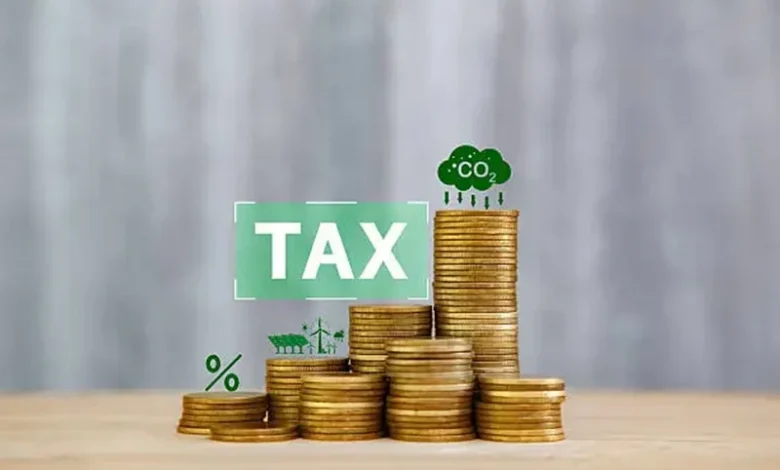
A quiet policy shift in Brussels is starting to hit factory floors across Asia. Since January 2026, the European Union’s Carbon Border Adjustment Mechanism has moved from a reporting exercise to a real financial charge, and Asian exporters are the ones footing much of the bill. For millions of workers in steel plants, cement factories and palm oil farms across the region, this is no longer a distant climate debate. It is a direct threat to jobs, orders and household income.
What Carbon Border Taxes Actually Mean
In simple terms, a carbon border tax charges importers extra money based on how much carbon dioxide was released while making a product. If a factory in Vietnam or India uses coal-heavy power to produce steel, that steel becomes more expensive once it reaches European ports, because buyers must now pay a carbon fee on top of the usual price. The goal in Europe is to protect its own manufacturers, who already pay a domestic carbon price, from being undercut by cheaper, more polluting imports.
Why This Hits Asian Exporters Hardest
Asia supplies a large share of the raw and semi-processed goods that keep European industry running. Industry analysts point out that India’s iron and steel sector, along with fertilizer exporters and metal producers across the region, will face real headwinds as embedded carbon costs get charged on import prices starting in 2026. Since the EU is one of ASEAN’s largest trading partners, Southeast Asian manufacturers cannot avoid the pressure to cut emissions if they want to stay competitive, and smaller businesses without dedicated compliance teams are expected to struggle the most.
The Local Reality for Exporters
For many small and mid-sized factories across India, Indonesia, Bangladesh and Vietnam, the challenge is not just the extra cost. It is the paperwork. Many suppliers still track production on paper ledgers or basic spreadsheets, with limited access to carbon auditing software or specialist consultants. Mobile-first exporters, who may run their entire business through a smartphone and a bank app, now need to learn an entirely new reporting language just to keep selling to Europe.
What Exporters Can Do Right Now
•Start recording energy use and fuel type per production batch, even in a simple spreadsheet
•Ask buyers or trade bodies for free CBAM guidance sessions; many chambers of commerce now offer these.
•Check if your national government has a carbon registry or exchange, such as Indonesia’s carbon trading platform, and register early.
•Explore cleaner energy options like rooftop solar, which can lower both power bills and reported emissions.
•Diversify export markets so reliance on the EU alone does not decide the business’s future.
•Join local industry associations that are negotiating collective compliance support.
Conclusion
Carbon border taxes are no longer a future risk for Asian exporters; they are today’s reality. Factories that start measuring and reducing their carbon footprint now will protect their European contracts and may even gain an edge over slower competitors. Waiting for government support to arrive is not a strategy. Acting early on emissions data is the simplest way to heatproof an export business against the next round of global climate rules.
More ways to cut carbon.
How Can You Reduce Emissions?
Check out simple everyday changes.
Does AI Have Hidden Costs?
Uncover its environmental impact.
Which Small Habits Make Difference?
Find easy ways to help.
Can Movies Reduce Their Footprint?
Dive into greener filmmaking efforts.
What Are The Top Tips?
Browse practical carbon-saving ideas.