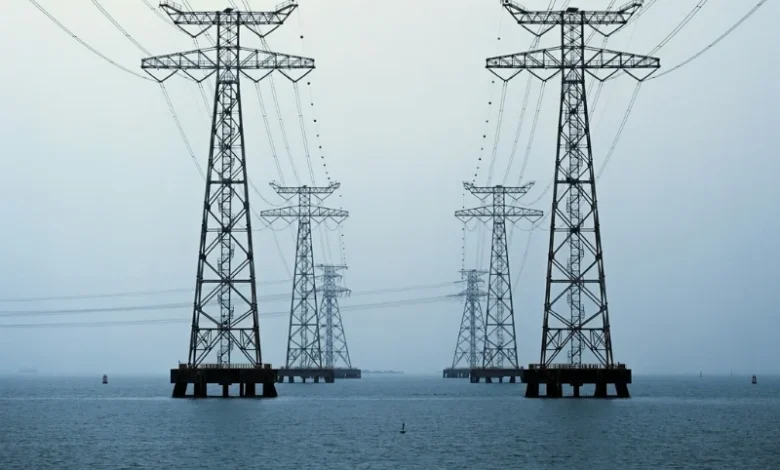
Shore power enables vessels anchored at ports to use energy from the grid rather than utilizing fuel and decreasing pollution immediately.
Where is it Mandatory?
The requirements of California’s At-Berth rule, China’s port laws, and the EU FuelEU Maritime all advocate making ships connect to electricity via shore power. Starting from 2030 all major European ports will require large vessels to use shore power.
Why Is the Process So Slow?
Roughly 3% of ports have shore power solutions now. DNV points out that ports find it difficult to install shore power due to the lack of stable demand, shipowners, on the other hand, are postponing the modifications of their vessels. Currently, in the EU, China, and California shore power is available in 28 out of 319 ports.
Is It Enough?
According to an ICCT report, adhering to European regulations will only enable to reduce CO2 emissions at ports by 24%. It requires around 2,000 MW to be used to eliminate the rest of emissions, plus clean electricity from rooftop solar and resilient power grids.
Keep Reading More Environmental News
Are Net Zero Pledges Credible?
Check which corporate net zero pledges hold up.
Is Extreme Heat a Health Crisis?
See why it is hitting public health worldwide.
Is Deep Sea Mining Safe?
Explore the environmental risks of mining the ocean floor.