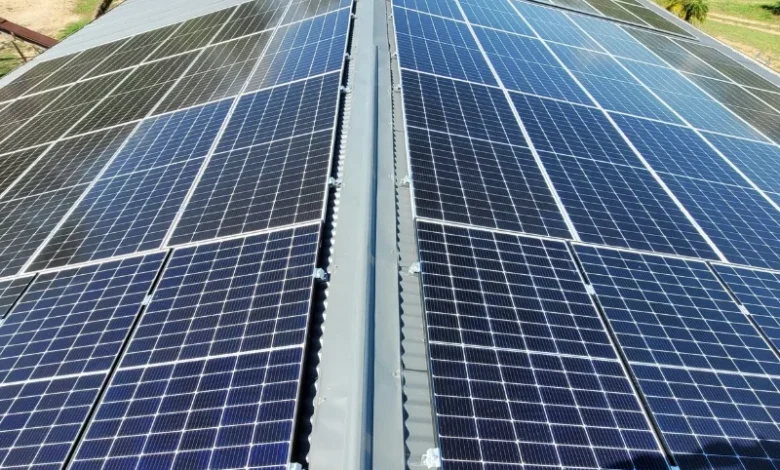
Electricity prices are consistently increasing. Many people are now turning to Rooftop solar systems. These allow homes and small businesses to produce free electricity from sunlight. Read on to learn about how rooftop solar works, how much it will cost and who benefits the most.
How rooftop solar works and What It Costs
solar panel have solar cells, which convert sunlight into direct current electricity. However, our homes require alternating currents, therefore a solar inverter is used. This will convert the electricity into something that can be used to power your lights, fans and appliances in your home. Any excess electricity will be transferred into the grid or stored in a battery.
The price depends on the size of the system, quality of the panels, type of roof and labour costs. In some countries the price may be as low as less than $1 per watt, whereas in others it can be over $3. Adding a battery will result in a large extra cost, therefore many households may not include it initially.
Most panels will have a warranty of around 25 years. However, inverters often last between 10-15 years. The higher your electricity bill currently is, the quicker you will see a return on your investment. Typically you can expect to see a return on investment between 4-10 years.
Who benefits?
Those using a lot of electricity during daylight hours will benefit the most. Such as families with lots of electrical devices like air conditioners and fans. Shops, clinics and small offices will also benefit.
There are many areas where you can have net metering. This means that if you have excess electricity you will be credited for it. This will reduce the time it takes to get a return on investment.
Those living in areas where there are regular blackouts will benefit from extra security. If you have a battery or hybrid inverter, you can still have essential lights and devices powered.
The whole community will benefit as it will reduce pollution and relieve pressure on the grid.
Although rooftop solar isn’t perfect for everyone, those with shaded roofs or low electricity usage will not save as much. However, if you have a sunny roof and consistent bills it is a practical option to reduce your energy costs.
Related Reads
What do weather alerts mean?
Decode yellow, orange and red warnings.
Is Antarctic ice disappearing?
Find out why it matters beyond the poles.
Are Himalayan glaciers melting?
See what it means for South Asia’s rivers.
Why is concrete a big emitter?
See how cement drives climate change.
Should we dig up the ocean floor?
Weigh the risks of deep-sea mining.