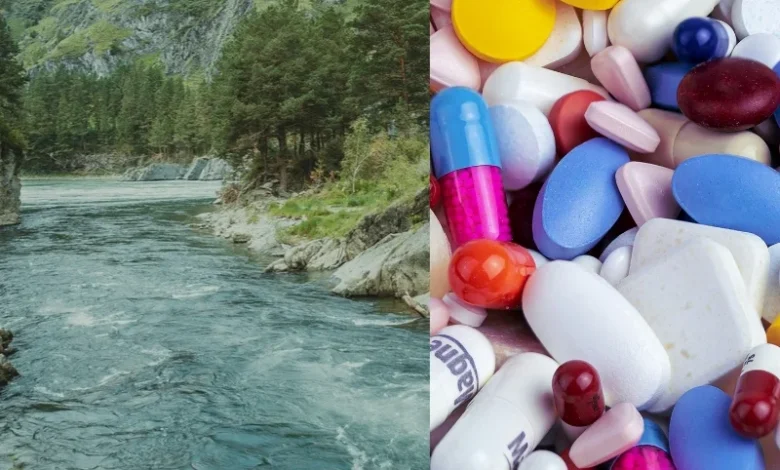
Medicines flushed into waterways (pharmaceutical pollution) are reaching wildlife, with unsafe levels of at least one drug found at 25.7 percent of 1,052 river sites in 104 countries.
What’s in the water?
Carbamazepine, metformin and caffeine were found in more than half of all sites studied. Others found the most pharmaceutical pollution rivers in developing countries, with badly managed wastewater and fortuitous drug manufacturing , according to the University of York.
How Does It Harm Wildlife?
Some of these biologically active substances can feminise male fish or interfere with their reproductive systems or alter their heart rates causing pharmaceutical pollution. Antibiotics allow resistant bacteria to thrive: ciprofloxacin in 64 sites had levels above those deemed safe, and in one Bangladeshi site, metronidazole levels were greater than 300 times higher than the safe therapeutic target.
So What Helps?
This most generally relates to better sewage treatment in places like East Kolkata Wetlands and cleaner rivers that are good for all life. There is also less discharge from hospitals and manufacturers, and monitoring should enter countries which have never been studied.
Related Reads
Why Do Inland Waters Matter?
Learn why inland waters are overlooked carbon ecosystems.
Are We in a Mass Extinction?
Find out if the sixth mass extinction has already begun.
What Lives Beneath Our Feet? Discover the soil microbiome and its role in climate.