
From Grey to Green: How Rooftop Gardens Are Transforming Urban Skylines
Discover how rooftop gardens are transforming urban skylines with greener spaces, cleaner air, and sustainable living solutions for modern cities worldwide.

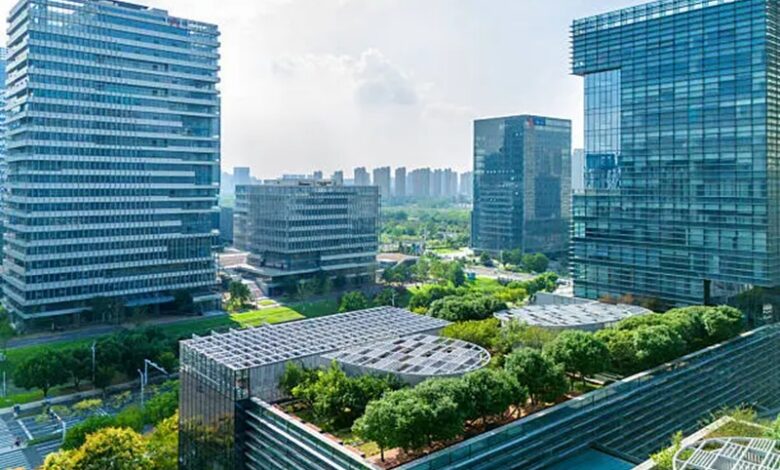
Look up at any big city skyline and you will mostly see grey concrete, glass and bare rooftops baking in the sun. That is starting to change. All over the world, from crowded apartment blocks to office towers, rooftop gardens are quietly turning unused roof space into cool, green, productive land. This shift is more than a design trend. It is becoming a practical answer to rising temperatures, shrinking green space and tighter household budgets.
Why Cities Are Turning to Rooftop Gardens
Concrete and asphalt absorb heat all day and release it slowly at night. This is called the urban heat island effect, and it can make cities several degrees hotter than nearby rural areas. A green roof works against this. Plants absorb sunlight for growth instead of turning it into heat, and water evaporating from soil and leaves cools the air naturally, much like a tree does at ground level.
Beyond cooling, rooftop gardens soak up rainwater during storms, easing pressure on drains that often overflow during heavy downpours. They also support bees, butterflies and birds that struggle to find habitat in dense cities, and they give residents a place to grow their own vegetables and herbs.
How Ordinary Families Are Getting Involved
You do not need to own a skyscraper to take part in this movement. In many cities, small apartment buildings, schools and even single-storey homes are adding container gardens on flat roofs or balconies. Local governments in several countries now offer grants, tax breaks or free seedlings to encourage this. Community groups and cooperatives also run shared rooftop plots, so renters without their own outdoor space can still take part.
A Simple Checklist Before You Start
- Check with your building owner or local housing authority whether rooftop planting is allowed and structurally safe.
- Start small with lightweight containers, herbs and leafy greens before adding heavier soil beds.
- Choose native or drought-tolerant plants that need less water and care.
- Set up a simple rainwater collection system or reused containers to cut watering costs.
- Ask your local government or agriculture office about any rooftop gardening grants or training programmes.
- Join a neighbourhood or online gardening group for seeds, tips and shared tools.
A Practical Way to Cool Our Cities
Rooftop gardens will not solve climate change on their own, but they are one of the few solutions that ordinary people can act on right away, without waiting for large government projects. A few pots of herbs on a balcony or a shared vegetable patch on an apartment roof can lower indoor temperatures, cut food costs and bring neighbours together. As more buildings turn grey roofs green, cities everywhere become a little cooler, a little greener and a little more liveable, one rooftop at a time.
More stories on nature and climate.
Why Save Mangalavanam’s Mangroves Today?
Discover why this ecosystem matters.
Which Mumbai Areas Flood First?
Check out the highest-risk zones.
Why Is Mumbai Getting Hotter?
Find the reasons behind rising heat.
Why Do Wetlands Need Protection?
Learn why these ecosystems matter.
How Is Heat Changing Forests?
Dive into the growing climate impact.