Scientist’s Lifelong Obsession With Mystery of Elusive ‘Pink Zebra’ Seaweed Finally Solved

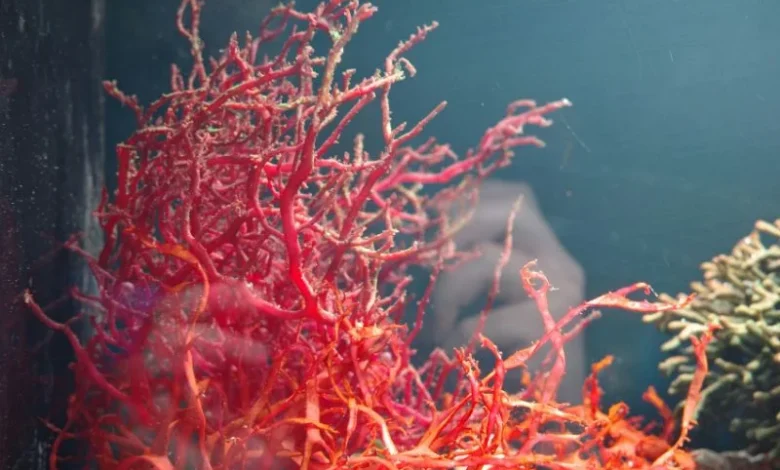
Some scientific discoveries happen overnight. Others take forty years, a bit of luck, and a lot of stubbornness. That’s really what this story about the pink zebra seaweed comes down to, a small striped organism that followed one researcher through her entire career before finally giving up its secret.
How the Search Began
Back when she was working on her PhD, Professor Christine Maggs picked up a tiny pink-banded piece of seaweed growing on something called a maerl bed. Maerl looks a bit like coral from a distance, but it’s actually made up of thousands of small, free-living seaweed pieces that clump together into a kind of underwater carpet. Maggs went through the scientific literature she could get her hands on and found nothing matching what she’d seen. She had a hunch it was something new. Trouble was, the piece she had wasn’t big enough to prove it.
Decades of Near Misses
What followed wasn’t a straight line to an answer. The seaweed would turn up now and then, sometimes barely, once growing on a sea squirt she happened to come across. Each time, there just wasn’t enough of it to run a proper test. She held onto the question anyway, through her whole working life.
The Sample That Changed Everything
The turning point came a couple of years ago, when divers surveying maerl beds in Cornwall brought back a larger sample. Maggs teamed up with Professor Beatriz de Barros Barreto, who handled the genetic side of things, and the results confirmed what she’d suspected all along. It really was a new species. It now carries the name ceramium ruenessianum, and a specimen sits in the Natural History Museum’s collection.
Why It Matters Beyond Britain
Maerl beds aren’t unique to the UK. Cold coastal waters around the world have similar habitats, and they quietly support fish nurseries, crabs, and other small creatures most of us never think about. When these beds get damaged by dredging or pollution, we risk losing species before we even know they exist.
A Few Reasons These Habitats Are Worth Protecting
- They shelter young fish and shellfish.
- They host species that haven’t even been named yet.
- They grow back slowly, if at all, once damaged.
- Several are already covered under international marine protection rules.
Conclusion – pink zebra seaweed
What stands out here isn’t just the seaweed itself, but the patience it took to find it. Forty years is a long time to hold onto one question. It’s a good reminder that our oceans still have plenty left to discover, as long as there’s something left to find.
Explore the latest climate and travel updates.
Where Can You Dine By Water?
Find the best waterfront restaurants with scenic views.
Which Regions Face Dust Storm Risks?
Uncover the areas most vulnerable to worsening storms.
Are Climate Tipping Points Nearing?
Dive into the latest scientific climate findings.
Why Are Coral Reefs Disappearing?
See how bleaching is impacting marine ecosystems.
Will Hurricane Risks Stay Lower?
Check out the latest NOAA Atlantic season outlook.