BMC Launches Massive 2026 Tree Census: Is Your Neighborhood Getting Greener or Greyer?

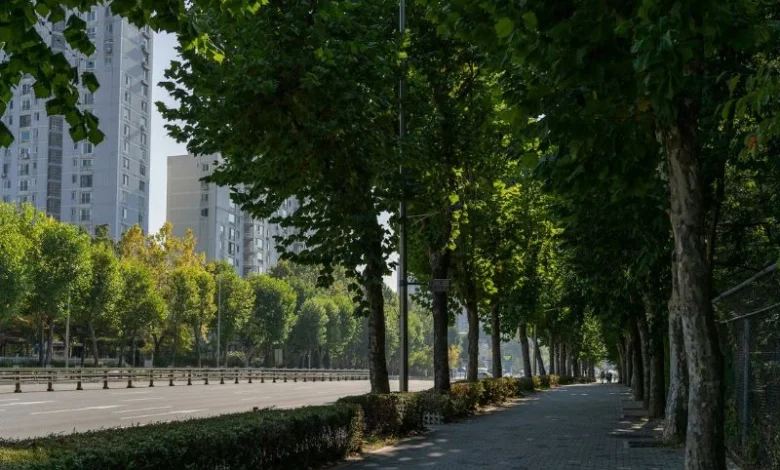
Launched in 2026, the Brihanmumbai Municipal Corporation has started a massive effort to catalog and assign every tree in wards across the city. But it’s more than simply counting; it’s trying to identify where there are increased levels of green space, where it is being removed, and how changes in land use impact the urban ecosystem.
As construction and other types of development are expanding rapidly in the city, Mumbai Tree Census 2026 the obvious question for all residents is whether their neighbourhoods are experiencing a net gain of trees or a net loss.
Why This Census Matters More Than Ever
Mumbai’s tree canopy is essential because it plays an important role in the local temperature, air quality, and how well a neighbourhood can withstand flooding.
Trees can help keep temperatures cooler, improve air quality, and assist in storing water through rainfall absorption.
The census will provide information on:
There have been areas of the city with low levels of tree canopy due to new construction; areas where neighbourhood tree plantings have been successful; areas without enough tree canopy cover; and, overall, what the numbers look like across the different wards.
Previous tree counts have resulted in disagreements between how many trees were counted and what was reported by the municipalities. As a result, there will be a need for more efficacious tracking and accountability mechanisms going forward.
Greener vs Greyer: What the Early Trends Suggest
While detailed numbers from the tree census won’t be available until the end of this year, several distinct trends are already apparent for Mumbai’s neighbourhoods.
- Different Density Patterns
- Greener Neighbourhoods
Planned neighbourhoods (e.g., parts of Navi Mumbai) and neighbourhoods near Sanjay Gandhi National Park, because there is both space available to grow trees and active citizens involved in conserving or planting trees, are retaining or increasing their tree cover.
Greyer Areas
Areas with dense development (e.g. Lower Parel, Andheri East, and commercial areas) typically have a low density of trees because new construction is replacing open space with concrete structures.
These two patterns are illustrated by the increasing contrast between the cooler, greener neighbourhoods and the hotter, more concrete neighbourhoods in Mumbai.
Trending Reads You’ll Love
Is solar investment worth it 2026?
Discover whether switching to solar makes financial sense for your home this year.
Which solar brand performs better 2026?
Explore a detailed comparison of leading solar panel brands before you decide.
Best solar panels to buy India 2026?
Check which solar panel brands offer the best value and performance in India.
Are solar trees the future energy?
Discover how innovative solar trees could transform urban green energy solutions.
Why is solar cheaper than fossil?
Explore the global shift making solar power more affordable than traditional fuels.
What This Means for Residents
The results of the tree census will help guide plans for future development within the city. Areas that are identified as greener will be targets of more extensive tree planting programmes, stricter rules for tree protection, and more opportunities for urban greening.
For residents, the census will also promote greater community awareness and involvement. Local communities and housing societies have a role to play in protecting existing trees and supporting the planting of new trees.
The census is ultimately more than just a tool to count trees; it will help us define what type of city will exist as we continue to deal with climate change.
Final Words
Mumbai’s 2026 Tree Census is not just a data collection effort but also serves as a much-needed reminder of the path we are choosing for our future. As Mumbai continues to evolve, the balance between green and grey in the city will ultimately determine our future direction. The bigger question is not how many trees we have today; instead, will we ultimately create a cooler and greener Mumbai, or a hotter and more concrete city?
FAQs
1. What is the BMC Tree Census?
It is a city-wide survey to identify and count Mumbai’s trees and their locations on the map.
2. Why is the Census Important?
To monitor the city’s green cover and develop strategies for improving our environment.
3. Where are the areas of tree loss occurring in the city?
Areas with large concentrations of commercial activity and where there are redevelopment plans.
4. How can residents get involved?
Through local initiatives that promote tree protection and other programs designed to protect and increase the number of trees in our communities.