What is a ‘Thundersquall’? Behind the 100km/h Winds That Killed 89 in Uttar Pradesh Yesterday – and Is Your City Next?
Learn what a thundersquall is, why UP saw 100 km/h winds, and which Indian cities may face severe storms, dust squalls, and lightning risks.

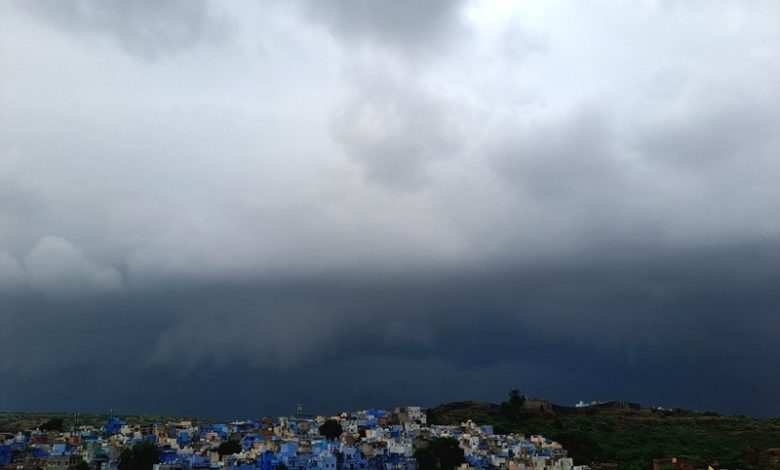
In Uttar Pradesh yesterday, a sudden and violent thundersquall caused widespread destruction, bringing reported winds of 100 km/h, cloud-to-ground lightning, and dust storms to parts of the state.
Reports indicate that the storms resulted in the loss of lives of at least 89 people due to falling trees, buildings collapsing, lightning strikes, and other reported storm-related accidents.
What Exactly Is a Thundersquall?
A thundersquall is defined as a highly intense (but short-lived) weather phenomenon that can include thunderstorms, powerful straight-line winds, cloud-to-ground lightning, dust storms, and rapid temperature changes.
Thundersqualls develop quickly (compared to normal thunderstorms) and produce powerful wind gusts that can cause extensive damage within just a few minutes.
Why Were the Winds So Powerful?
Meteorologists indicate that much of north India has been experiencing extreme heat wave conditions, which have produced extreme heating of land surfaces. This combination of heating the land has created a large build-up of atmospheric energy. When sufficient moisture enters the area along with colder air, it creates enough instability in the atmosphere to support rapid and explosive development of thunderstorms.
Why the Uttar Pradesh Storm Became So Deadly
Strong winds uprooted trees and collapsed weak structures, destroyed utility poles, and disrupted transport routes. Visibility was reduced to near-zero in many locations due to the thick dust clouds produced from windblown dust, leading to an increased risk of accidents on both road and highway systems due to the low visibility.
You Might Also Like
Which Hyderabad areas face worst heat?
Check the neighborhoods most vulnerable during extreme heatwaves in the city.
Which Indian cities face extreme heat?
Discover the regions across India at highest risk from rising temperatures.
Is major weather shift coming April?
Explore how upcoming weather changes could impact temperatures across India.
Which cities face climate risk 2026?
Check the urban areas under immediate environmental threat this year.
Why Chennai preparing early for heat?
Discover how Chennai is tackling rising temperatures and health risks early.
Could Other Cities Face Similar Storms?
There are several areas in northern and central India that are still vulnerable to other thundersqualls over the next several weeks. There are still many areas across northern & central India that. May experience periods of unstable weather patterns &/or more severe weather patterns during the next few weeks
Final Words
Storms can change from a dust storm or an initial thunderstorm to a life-threatening event in minutes. With the rising temperatures and increasingly unstable atmosphere, experts believe that continued awareness, preparedness, & quicker emergency response times will be important in protecting lives as the season’s severe weather patterns become more extreme in India.
FAQs
1. What Are Thundersqualls?
A Thundersquall is a fast-moving severe storm that can produce high winds, thunderstorms, lightning, dust storms, & rapid fire weather changes.
2. What Speed Do Winds Reach During A Thundersquall?
Timely information can help prepare you for a possible thundersquall in many cases, wind gusts reach over 100 kmph.
3. Why Are They More Common Before Monsoon?
Hot, dry weather creates unstable atmospheric conditions, and hot extreme weather conditions also play a role in the occurrence of extreme thunderstorms.
4. Which Areas Are At Risk?
Several regions in northern & central india will continue to experience dust storms & severe thunderstorm events.