Why Are Heatwave Warnings Changing Around the World? 8 New Forecasting Systems Explained

The definition and understanding of heatwave warnings have changed as extreme high temperatures are occurring much more regularly than in years past and with much greater impact. In addition to providing the expected high temperature for the day, a growing number of countries are now using state-of-the-art systems to account for factors such as humidity, overnight temperatures, health risks and localized information in calculating heatwave warnings.
1. Color-Coded Heat Alerts
Many countries are using a colour-coded warning system of Yellow (low risk), Orange (medium risk) and Red (high risk) to indicate escalating levels of heat risk.
2. Heat-Health Warning Systems
These warnings take into account the manner in which the heat is expected to affect individuals (particularly vulnerable populations, including older adults, children and those with medical conditions).
3. Heat Index Forecasts
Unlike in the past, where only the air temperature would be reported, many weather operations now provide the Heat Index which is a consolidated value that reflects the combination of temperature and humidity to present an accurate perspective on how hot it will feel.
4. Night-Time Heat Alerts
Warm nighttime temperatures inhibit the body’s ability to recover from the stress associated with hot days and contribute to increased health risks.
5. City-Specific Forecasts
Most weather organizations are now providing heat alerts based upon the specific location involved versus providing a generalized forecast over a broader regional area.
6. Longer Forecast Windows
With the upgraded weather models, meteorologists can predict the occurrence of heatwaves much further ahead of time than ever before (up to several days ahead) which is providing communities a longer lead-time for planning.
7. Mobile and Digital Alerts
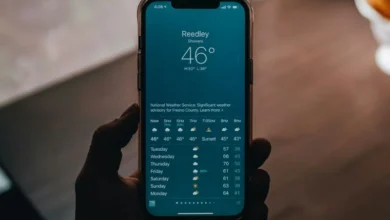
Several other means of communication are being utilized to extemporaneously provide weather and heat/health alerts via cell phone apps, text messaging, social networking, etc., which keeps people current with information in real time.
8. Impact-Based Forecasting
Instead of concentrating solely on the expected heat level when issuing a forecast, we expect that more concern will be focused on the expected impact of the weather pattern on society and individuals.
Conclusion
In conclusion, by integrating climate and health data, moisture, and local climatic conditions, today’s prediction systems offer improved predictions for how individuals might respond to extreme temperatures in a timely manner.
FAQs
Why are heat warning systems changing?
Extreme heat events have increased so some meteorological forecasting agencies want to provide better forecasting, based on evidence-based temperature impacts.
What is the Heat Index?
The Heat Index is a combination of air temperature and humidity that indicates perceived temperature as received by the human body.
What are Tropical Night Alerts?
Tropical Night Alerts provide notice that the overnight temperature will be uncharacteristically high, presenting risks to human health.
Why do cities have separate heat alerts?
Urban heat islands will show higher peak temperatures than surrounding rural locations, so a separate heat alert is issued for urban areas.