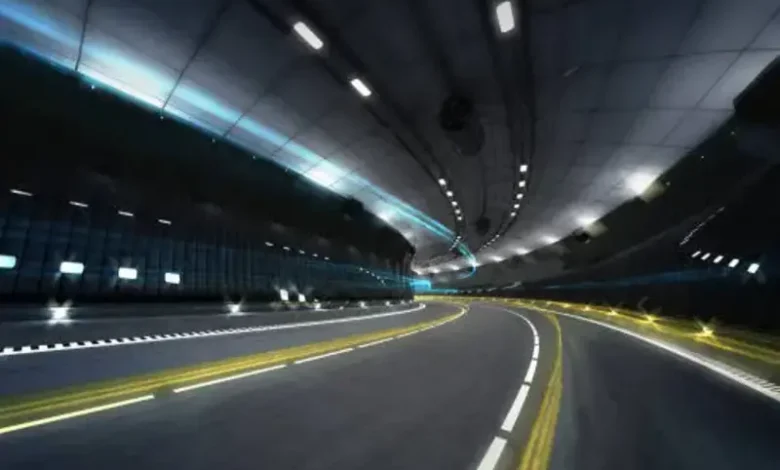
As cities become more crowded, finding space for new roads is becoming increasingly difficult. To reduce traffic congestion, improve safety, and preserve valuable land, many governments are investing in underground road tunnels. These projects help move traffic below the surface while creating more space above ground for parks, pedestrians, and public transport.
Here are eight major underground road projects from around the world.
1. Sydney, Australia
Sydney is expanding its underground motorway network through projects such as the WestConnex tunnels, designed to reduce travel times and ease congestion across the city.
2. Paris, France
Paris continues to redevelop underground transport infrastructure while reducing vehicle traffic on surface roads and improving public spaces.
3. Oslo, Norway
Oslo has invested in road tunnels to move traffic underground, allowing more space for cycling lanes, green areas, and pedestrians in the city center.
4. Stockholm, Sweden
The Stockholm Bypass (Förbifart Stockholm) is one of Europe’s largest road tunnel projects, helping divert through-traffic away from the city center.
5. Hong Kong
With limited land and dense development, Hong Kong relies on extensive underground road tunnels to improve connectivity between urban districts.
6. Singapore
Singapore continues to build underground expressways to maximize land use while maintaining efficient transport in one of the world’s most densely populated cities.
7. Tokyo, Japan
Tokyo’s underground road network helps reduce congestion and improve disaster resilience in one of the world’s busiest metropolitan areas.
8. Mumbai, India
Mumbai is expanding underground infrastructure through projects such as the Coastal Road tunnels, which aim to reduce travel time and ease traffic congestion along the city’s western coastline.
Why Cities Are Going Underground
Underground roads offer several benefits:
- Reduce traffic congestion
- Save valuable urban land
- Lower noise pollution
- Improve road safety
- Create more parks and public spaces
- Reduce travel times
- Support future urban growth
- Protect historic city centers from heavy traffic
Challenges
Building underground roads is expensive and technically complex. Projects require advanced engineering, ventilation systems, drainage, emergency exits, and regular maintenance to ensure safety.
Conclusion
As cities continue to grow, underground roads are becoming an important solution for managing traffic without consuming additional surface land. From Sydney and Stockholm to Singapore and Mumbai, major tunnel projects are helping create faster, safer, and more sustainable urban transport networks.
FAQs
Why are cities building underground roads?
To reduce congestion, save space, and improve urban mobility.
Which city has one of Europe’s largest road tunnels?
Stockholm’s Bypass project is among Europe’s biggest underground road developments.
Are underground roads safer?
Yes, when equipped with modern ventilation, fire safety systems, and emergency exits.
Why are tunnel projects expensive?
They require advanced engineering, excavation, drainage, and safety infrastructure.
Does India have underground road tunnels?
Yes. Cities such as Mumbai are expanding underground road infrastructure to reduce congestion.