African Dwarf Crocodile Trade Nigeria: Why the World’s Smallest Crocodile Faces Growing Bushmeat Pressure

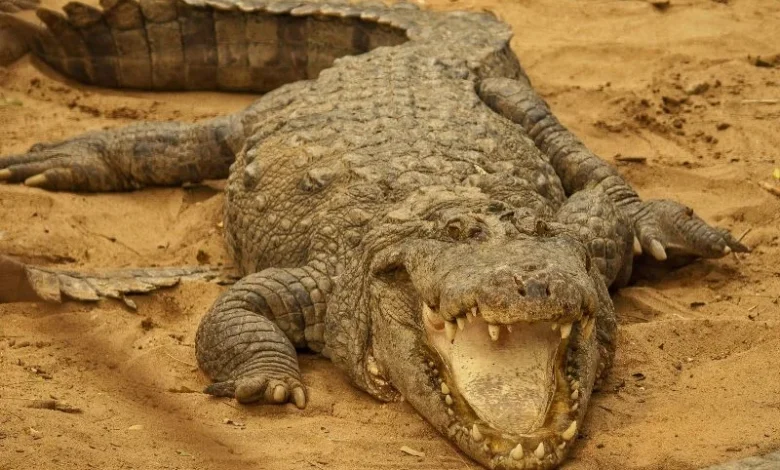
African dwarf crocodile trade, Tucked away in the swamps of West and Central Africa lives a reptile most people have never heard of, yet it’s quietly disappearing. The African dwarf crocodile is the world’s smallest living crocodile species, and it keeps turning up in bushmeat markets across Nigeria’s Niger Delta. That steady demand for its meat and body parts is putting real strain on wild numbers that were already shaky to begin with.
What Is the African Dwarf Crocodile?
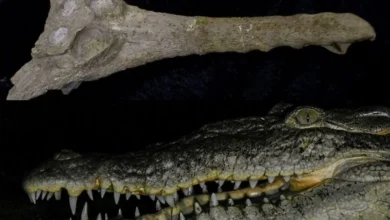
Scientifically called Osteolaemus tetraspis, this reptile hunts at night, mostly going after crabs, snails and the odd small fish. It can grow up to two metres long but is far calmer and easier to handle than other crocodile species. That gentle nature is actually part of the problem. Hunters can catch one and carry it alive for hours without needing ice or refrigeration, which makes it a convenient, low-effort target for the wild meat trade.
Why Nigeria’s Bushmeat Trade Keeps Growing
Researchers tracking three markets in the Niger Delta over six months counted more than 150 crocodiles for sale. Worryingly, most were fully grown adults, old enough to breed, and taking them out reduces the population’s chance of bouncing back. Sellers, almost all women, said the animals are bought mainly for food and for use in traditional medicine. This division of labour is common in the region, with men doing the hunting and women running the trade. Even the tiny juveniles sell for a decent sum, which tells you how strong the local demand really is.
Key Pressures Facing the Species
- Ongoing hunting for meat and folk remedies
- Habitat loss from farming, logging and oil and gas activity
- Weak enforcement of existing wildlife trade rules
- Few realistic income alternatives for rural hunters and sellers
What Needs to Change
Nobody is suggesting the trade can be switched off overnight, since it feeds real families. What experts want instead is proper population monitoring, closer cooperation between conservationists and the communities living alongside these crocodiles, and livelihood support that actually lasts once outside funding dries up. Raising awareness about the crocodile’s role in local ecosystems is also seen as a necessary long-term step.
Conclusion – African dwarf crocodile trade
At its heart, this is a story about balance, between human survival and the survival of a species that has quietly outlasted generations in these swamps. Without better data, fairer income options and stronger protection on the ground, the African dwarf crocodile could slip away almost unnoticed. Safeguarding it means recognising that its future and the future of the people living around it are tied together.
More stories on extreme weather.
Why Is Bangladesh Facing Flood Risks?
Find the latest climate insights.
What’s Driving India’s Weather Split?
Check out the extreme weather patterns.
Is Sonamarg Travel Safe Today?
Get to know the latest advisory.
How Severe Are China’s Floods?
Browse the latest emergency updates.
Why Is Northeast India Flooding?
Uncover the unusual jet stream effects.