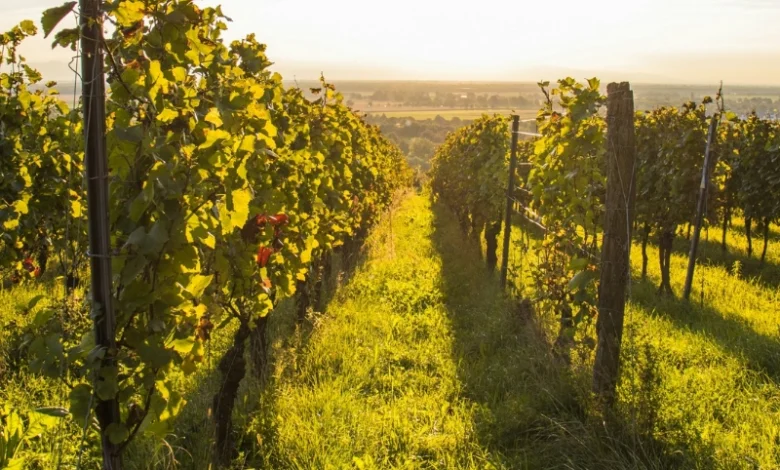
A restricted climate is needed for grapes to be grown for winemaking i.e climate change wine, hence warming is relocating vineyards. The harvest date has shifted about 21 days forward in France over the past 50 years, with 2026 recording a new record for the earliest Champagne harvest.
What Happened in 2026 leaded to climate change wine?
Some rare exceptions allowed record heat to raise Champagne’s alcohol ceiling from 13 to 15 percent, while France’s winemaking production is projected to be 17 percent below the five-year average.
Where Is Wine Moving?
In a 2026 research, it suggested that the best conditions will move north and uphill; Southern England as an emerging British sparkling wine region is where Champagne houses have purchased vineyards. But the north is restricted by its humidity and the diseases it permits to thrive. A few higher and therefore cooler sites within the established regions are now mushrooming with investors.
Who Is at Most Risk?
Southern regions of Europe around the year 2040 are at risk, with some sites potentially too hot for grape varieties available now. As extreme heat grows, growers can resort to heat-tolerant varieties and higher grounds.
You May Also Like
How healthy is our soil?
See why healthy soil is running out.
Is food waste a climate issue?
See how food waste adds to climate change.
Is India’s monsoon changing?
Read how climate change is reshaping the monsoon.
Why are cyclones strengthening faster?
Read about rapid intensification and why it matters.
Can growing food indoors help?
Weigh the pros and cons of vertical farming.