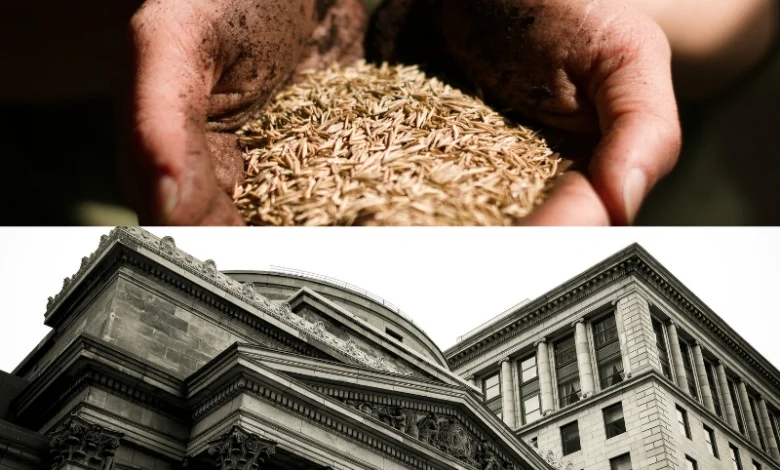
Seed banks play a vital role in preserving seeds of crops and plants so that we are able to guard against threats to our food supply such as climate change and ingestion. With farming becoming so susceptible to severe weather patterns, it is critical that we have genetic diversity.
Why Are Seed Banks Important?
Seeds that are stored in seed banks are used to bring back crops that had been lost due to disasters, pests or changing conditions, as well as traits such as drought resistance and disease resistance.
Where Are Seeds Stored?
The Svalbard Global Seed Vault located in Norway serves as a repository for seed banks from around the world. The Kew Millennium Seed Bank located in the United Kingdom holds even more seeds from endangered plants; approximately 2.5 billion seeds are kept in the bank with more than 40,000 species represented.
Can Seed Banks Help Save Our Food?
Seed banks do certainly have a major role to play in protecting seeds, but do not replace the need for habitat preservation, farmer support and crop diversity.
Keep Reading Related Reads
Is Extreme Heat a Health Crisis?
See why heat is now a health crisis.
Which Indian cities face extreme heat?
Discover the regions across India at highest risk from rising temperatures.
Which Hyderabad areas face the worst heat?
Check the neighborhoods most vulnerable during extreme heatwaves.
Why are top floors hotter?
Learn why apartments can be 8°C hotter and how to fix it.
Can heat pumps cool homes too?
Learn how heat pumps heat and cool efficiently.