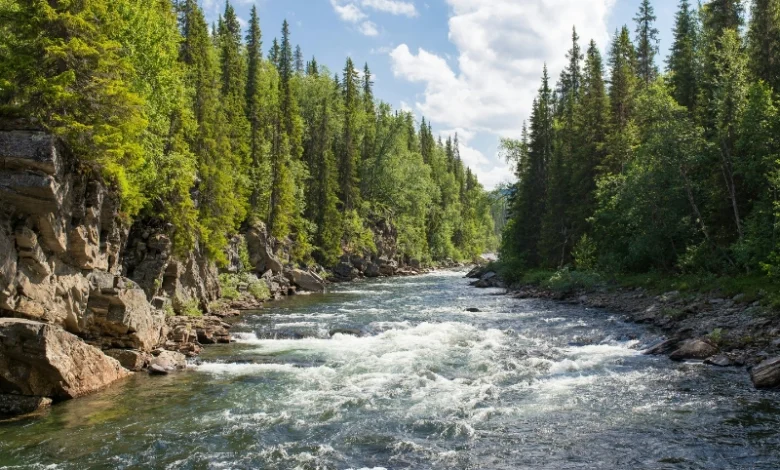
Shared basins provide water for about 50 percent of the world’s population. However, the impacts of climate change have begun to challenge the agreements like transboundary rivers water disputes that were made for stable water flows.
What is Going On in the Indus?
The Indian government suspended the Indus Waters Treaty of 1960 as of April 2025 and there was transboundary rivers water disputes and stopped the sharing of information and data, including about floods. In June 2026, the Pakistan government called for a legally binding accord concerning the global water source.
Where Else Is Tension Arising?
The Ganges Water Treaty with Bangladesh is close to expiring, and the Teesta deal has not still been finalized. With about 97 percent of its fresh water being sourced from the Nile River, Egypt does not support the idea of a dam built in Ethiopia.
Why is Climate Important in this Context?
Rivers that receive their waters from glaciers, including the Indus, Ganges, and Brahmaputra, may be subject to water shortages towards the end of this century, according to the report concerning glaciers in the Himalayas. Only about 38 countries have signed the UN Watercourses Convention, which leaves a large number of rivers without global regulations.
Keep Reading Related Reads
Is sand really running out?
Explore why the world is short of sand.
Will countries hit food goals?
Find out why most may miss 2030 targets.
How healthy is our soil?
See why healthy soil is running out.
Is extreme heat a health crisis?
Learn why heat is becoming a public health threat worldwide.
What do weather alerts mean?
Decode yellow, orange and red warnings.